PeptProblog
InicioTratamientoCómo UsarEfectos SecundariosAlimentación
Descargar App
PeptPro
blog

Contenido basado en evidencia para apoyar a quienes se toman en serio su protocolo de péptidos.

Navegación

  • Inicio
  • Categorías

Categorías

  • Tratamiento
  • Cómo Usar
  • Efectos Secundarios
  • Alimentación
  • Ejercicio y Cuerpo
  • Salud
  • Salud Mental

App PeptPro

Sigue tu protocolo de péptidos directamente desde tu celular.

Descargar en elApp Store
DISPONIBLE ENGoogle Play
© 2026 PeptPro. Todos los derechos reservados.
PrivacidadTérminos de Uso
  1. Inicio
  2. ›Blog
  3. ›Salud
  4. ›Why You Lose Muscle During Prolonged Fasting — and How to Keep It Off
Salud

Why You Lose Muscle During Prolonged Fasting — and How to Keep It Off

18 jun 2026·7 min de lectura·0 visualizaciones·Equipe Editorial PeptPro

Extended fasting and GLP-1 therapy can strip away muscle alongside fat. Here is what actually drives that loss and the combination of protein and resistance training that keeps lean tissue intact.

Strength training in a gym — lifting weights is the most effective way to protect muscle during caloric restriction

When you cut calories for weeks or months, the scale tells a story that looks good on the surface. Total weight drops. But underneath that number, something less flattering is happening: you are losing muscle alongside fat.

This is not a minor side effect. Muscle tissue drives metabolism, maintains mobility, and protects bones and joints. Losing it makes the long-term outcome of any weight-loss effort weaker, not stronger. The real goal is not just dropping pounds. It is shedding fat while keeping every gram of lean tissue intact.

With PeptPro you track weight, symptoms, and Apple Health integration, so you can see how your body composition actually changes over time and bring that data to your next appointment.

What Sustained Caloric Deficit Does to Muscle at the Cellular Level

The body does not distinguish kindly between starvation and intentional dieting when the deficit stretches long enough. After several days without adequate incoming calories, insulin levels stay low and a cellular energy sensor called AMPK becomes activated.

AMPK's job is to flip the body into conservation mode. It slows down anabolic processes and ramps up catabolic ones. In muscle tissue, this means activating FoxO transcription factors, which travel to the nucleus and start transcription of genes that drive the ubiquitin-proteasome system. That system works like a demolition crew, tagging muscle proteins for breakdown and recycling their amino acids into the bloodstream.

Wolfe (2006) laid out clearly in the American Journal of Clinical Nutrition that skeletal muscle is not a passive tissue waiting to be burned for fuel. It is metabolically active and dynamically responsive, and when the body needs to supply energy during prolonged deficit, it will break down muscle protein to do it. The longer the deficit persists without adequate protein or mechanical loading, the more this catabolic signaling dominates.

Disponible ahora gratis

Rastreador de Análisis de Sangre

Registra y haz seguimiento de resultados de laboratorio a lo largo del tiempo. Observa cómo tu protocolo afecta tus biomarcadores — todo en una línea de tiempo.

Descargar en elApp Store
DISPONIBLE ENGoogle Play

Artículos Relacionados

Descargar en elApp Store
DISPONIBLE ENGoogle Play

Sigue tus análisis y ve cómo el protocolo afecta tus biomarcadores.

Registrar en la app

mTOR vs AMPK: The Signal That Decides Whether Muscle Grows or Shrinks

Two master regulators control the muscle protein balance: mTOR and AMPK. They do not cooperate. When amino acids and insulin are plentiful, mTOR activates and drives protein synthesis through mTORC1. When both are low and cellular energy is scarce, AMPK activates and directly inhibits mTORC1.

During extended fasting or very low-calorie eating, amino acid availability drops and insulin stays suppressed. AMPK wins that tug-of-war. The result is suppressed mTORC1 signaling, which means the muscle cannot mount an adequate protein synthesis response even if protein is eventually eaten. Combined with elevated FoxO activity from the same low-energy state, you get a situation where breakdown is high and building is blocked.

This is the cellular reason why simply eating less without paying attention to protein timing and resistance stimulus leads to a disproportionate loss of lean mass. The body is optimized for survival, not for keeping you strong during a diet.

GLP-1 Agonists Change the Ratio — But Not Enough on Their Own

Here is where GLP-1 agonists introduce a meaningful shift. By reducing appetite and caloric intake in a way that feels more manageable than pure willpower, they tend to produce weight loss with a higher proportion of fat loss compared to diet alone.

Blundell et al. (2022) reported that semaglutide users experienced reduced appetite and energy intake alongside meaningful changes in body composition. The signal here is encouraging: GLP-1 is not just another way to starve. When appetite is regulated differently, the body appears to spare lean tissue more effectively than when simple restriction is enforced through willpower alone.

But the data also shows a ceiling. Without deliberate protein intake and mechanical loading from resistance training, some lean mass loss still occurs even with GLP-1 support. GLP-1 is part of a strategy. It is not a standalone solution for preserving muscle during weight loss.

Protein: Getting Enough and Getting It Right

During any caloric-restriction period, protein needs go up, not down. The commonly cited range for people on GLP-1 therapy or extended caloric deficit is 1.2 to 2.0 grams per kilogram of body weight per day. Someone at 80 kilograms needs roughly 100 to 160 grams of protein daily. That is a significant amount and it needs to be intentional.

Distribution matters as much as total amount. Muscle protein synthesis peaks after protein intake and declines over the following hours. Eating that 160 grams in two sittings is far less effective than spreading it across four or five feedings of 25 to 35 grams each. The body can only drive synthesis for a limited window after each protein dose.

Branched-chain amino acids, particularly leucine, play a special role here. Leucine is the key trigger for mTORC1 activation. Whole protein sources like chicken, fish, eggs, and Greek yogurt provide the full spectrum of amino acids. BCAAs as supplements can help bridge gaps, but they work best on top of an already adequate total protein intake, not instead of it.

Tracking your food intake matters here. With PeptPro you can log meals and see how your protein adds up across the day, which helps you spot gaps before they cost you muscle.

Sigue tus análisis y ve cómo el protocolo afecta tus biomarcadores.

Registrar en la app

Resistance Training Is Not Optional

Nutrition creates the conditions for muscle preservation. Resistance training is what actually tips the balance toward retention. When muscles are loaded through weight or resistance, mechanical tension activates mTORC1 independently of amino acid signaling. That activation drives protein synthesis, and with adequate amino acids available, the muscle rebuilds and reinforces itself.

Atherton et al. (2012) in The Journal of Physiology showed that muscle protein synthesis responds directly to the combination of amino acid availability and resistance exercise, with the exercise signal being distinct from and additive to nutrition. The two are not interchangeable. You cannot out-supplement a sedentary lifestyle.

The minimum effective dose for muscle preservation during weight loss is generally considered to be two to three resistance training sessions per week, targeting major muscle groups. Each session does not need to be lengthy, but it needs to challenge the muscles near their capacity. Progressive overload, even modest, signals the body that the muscle is still needed.

Sarcopenia, as defined by the revised European consensus (Cruz-Jentoft et al., 2019), is the age-related loss of muscle mass and function. But the same processes driving sarcopenia in aging can be accelerated in younger individuals during prolonged caloric restriction without resistance stimulus. The difference is that in the context of weight loss, the process is reversible with the right combination of protein and training.

With PeptPro you can record your training sessions and link them to your weight and hydration data, building a record of how your body responds to each phase of your plan.

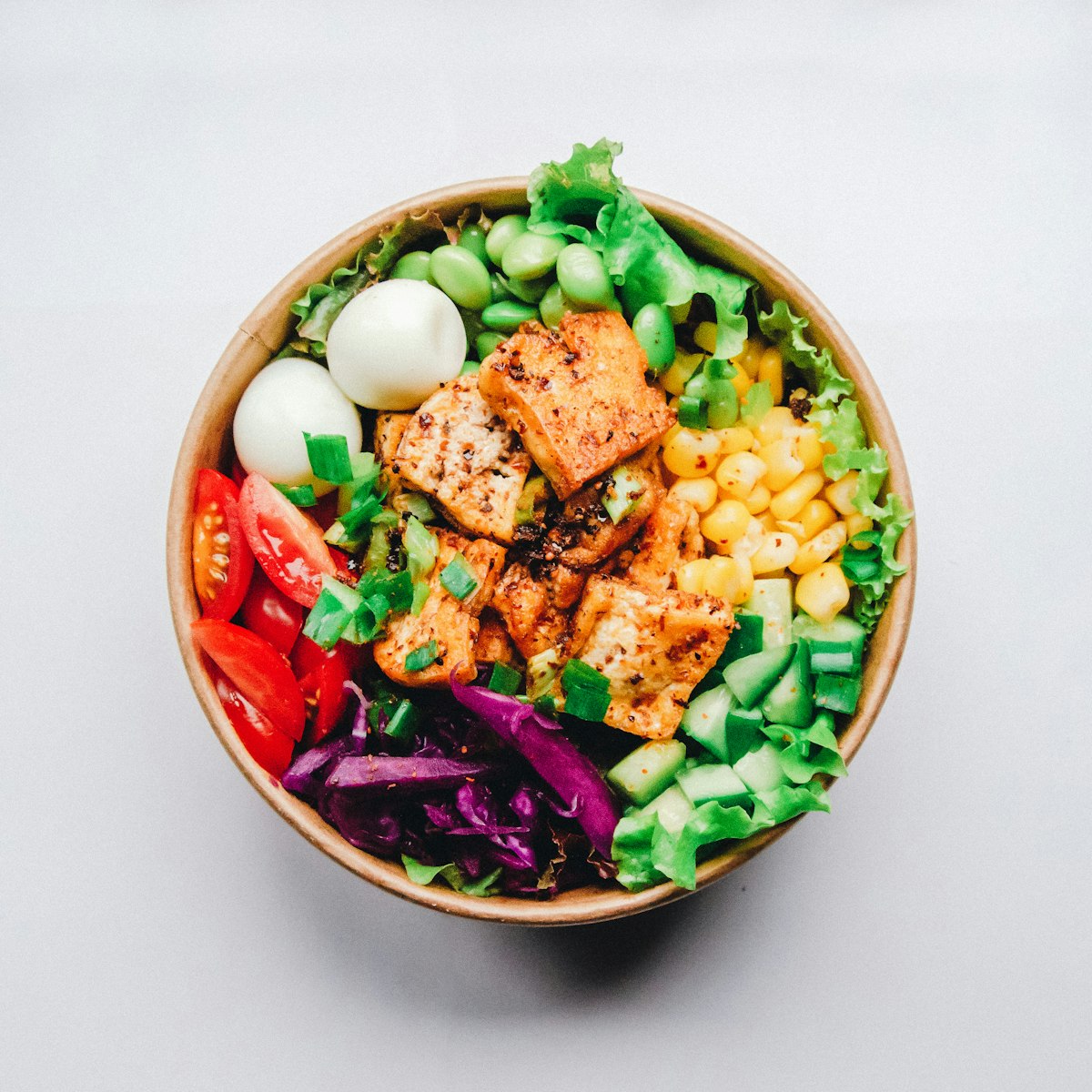
Building a Plan That Holds Onto Muscle

Protecting lean tissue during extended caloric restriction or GLP-1 therapy requires stacking several interventions. Adequate protein intake, distributed across the day, provides the raw material. Resistance training provides the mechanical signal to use it for muscle preservation rather than burning it for fuel. Sufficient rest and sleep allow recovery and remodeling to occur.

GLP-1 agonists reduce the difficulty of maintaining the caloric deficit itself, which is genuinely helpful. But they do not replace the other two pillars. The people who emerge from months of weight loss with their strength intact, their metabolism humming, and their body composition improved are the ones who trained hard and ate enough protein throughout.

Keeping track of how your weight, symptoms, and body composition evolve across weeks and months is what lets you adjust before small losses become big ones. PeptPro brings all of that together in one place, so the data from your kitchen, your gym, and your clinic visits is available when you need to make a decision.

Man preparing a high-protein meal with chicken and vegetables

The goal is not just a lower number on the scale. It is a body that is still strong, still capable, and still yours after the weight is gone.

Start tracking your weight, training, and symptoms with PeptPro today.

References

  • EMA — Ozempic (semaglutida), EPAR
  • Wilding et al., STEP 1 — NEJM (2021)
  • OMS — Obesity and overweight, fact sheet

Aviso: Este contenido es solo informativo y no sustituye la orientación médica profesional. Consulta siempre a tu médico antes de iniciar, cambiar o interrumpir cualquier tratamiento.

0 visualizações
Compartir

En este artículo

Ver todos
GLP-1 natural: qué lo activa y qué puede (y qué no puede) hacer un péptido
Salud

GLP-1 natural: qué lo activa y qué puede (y qué no puede) hacer un péptido

Qué estimula la secreción de GLP-1, por qué la hormona dura tan poco en sangre y cómo separar la evidencia científica de las promesas comerciales.

9 oct 2026 · 9 min de lectura
Salud

Semaglutida brasileña: quién fabricó las dosis que llegan a tus manos

Quién fabrica el principio activo, qué documentos pedir y cómo leer las alertas de la Anvisa antes de comprar semaglutida brasileña.

8 oct 2026 · 9 min de lectura
Semaglutida y canutillos: por qué el mercado informal crece en Brasil
Salud

Semaglutida y canutillos: por qué el mercado informal crece en Brasil

Descubre cómo la escasez de semaglutida en Brasil alimenta un mercado paralelo con riesgos que van más allá del bolsillo.

7 oct 2026 · 5 min de lectura