The Natural Candidates With Human Trial Data
Several plant compounds and dietary patterns have been studied for their potential to influence GLP-1 secretion or sensitivity. The evidence varies considerably in quality and directness.
Berberine is probably the most researched natural compound in this space. It appears to work through multiple pathways, including activation of AMPK (an enzyme involved in cellular energy regulation) and modulation of the gut microbiome. A study from 2012 compared berberine to metformin in patients with type 2 diabetes and found similar improvements in blood glucose markers. Researchers have observed that berberine may increase GLP-1 levels in some studies, though the exact mechanism remains an active research question. Doses studied in clinical trials have typically ranged from 500 to 1500 mg per day, divided across doses.
Bitter compounds present an interesting mechanistic hypothesis. The tongue's bitter taste receptors (Tas2R) also exist in gut cells, including L-cells that produce GLP-1. Animal research has shown that bitter substances like denatonium and humulone (a compound from hops) can stimulate GLP-1 release through this pathway. However, translating these findings to humans involves significant uncertainty, since bitter receptor density and function vary considerably between species. Human data directly measuring GLP-1 response to bitter compounds remains limited.
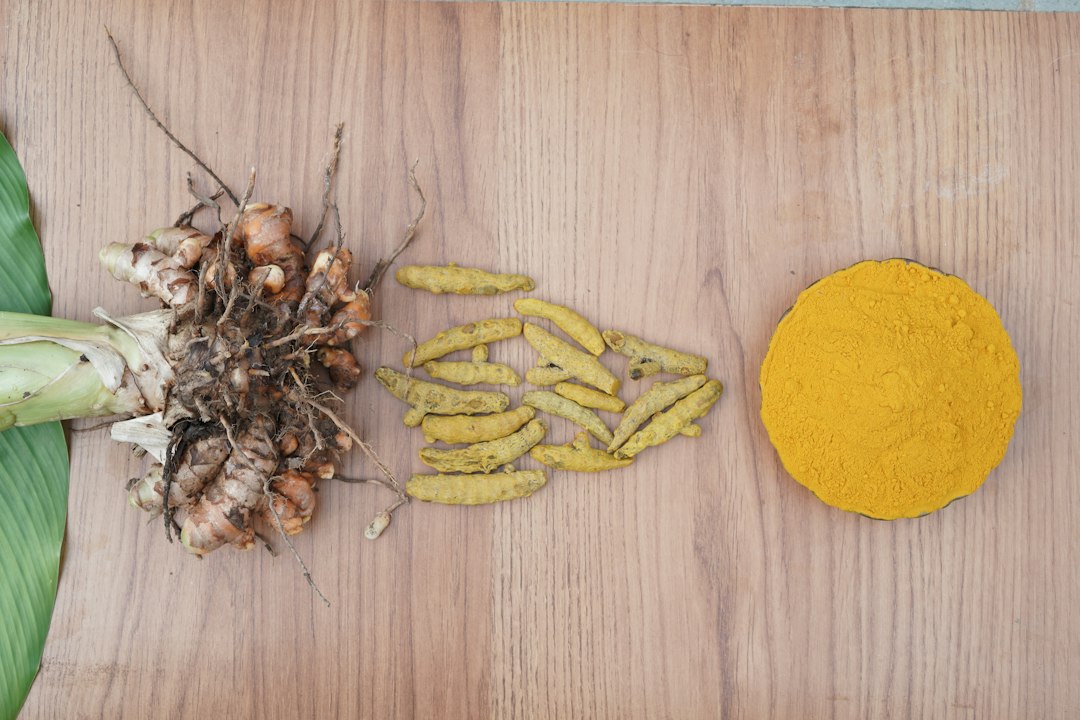
Curcumin, the active compound in turmeric, has been studied for metabolic effects. A 2020 meta-analysis examined curcumin's impact on HbA1c (a marker of long-term blood sugar control) and found statistically significant reductions. Researchers have proposed that curcumin may work partly through GLP-1 related mechanisms, but this connection remains largely theoretical. A major hurdle is curcumin's notoriously poor bioavailability, meaning the amount that reaches circulation after oral intake is quite small unless formulated with absorption-enhancing compounds.
Green tea catechins, particularly EGCG, have shown some promise for post-meal GLP-1 responses in human studies. The mechanism appears to involve polyphenol interactions with gut cells, though the effect size tends to be modest. Some studies have measured small increases in GLP-1 after green tea consumption, particularly when consumed with meals.
Berberine's relationship with the gut microbiome deserves special mention. Some researchers propose that berberine's metabolic benefits may work partly by altering gut bacteria in ways that increase GLP-1 production. Specific bacterial species have been implicated in animal studies, though human data remains exploratory.


