PeptProblog
HomeHealthSide EffectsNutritionExercise & Body
Download App
PeptPro
blog

Evidence-based content to support those who take their peptide protocol seriously.

Navigation

  • Home
  • Categories

Categories

  • Health
  • Side Effects
  • Nutrition
  • Exercise & Body
  • Mental Health
  • How to Use
  • Treatment

App PeptPro

Track your peptide protocol right from your phone.

Download on theApp Store
GET IT ONGoogle Play
© 2026 PeptPro. All rights reserved.
PrivacyTerms of Use
  1. Home
  2. ›Blog
  3. ›Nutrition
  4. ›How Much Protein Do You Actually Need on GLP-1 Treatment
Nutrition

How Much Protein Do You Actually Need on GLP-1 Treatment

Jul 2, 2026·4 min read·23 views·Equipe Editorial PeptPro
How Much Protein Do You Actually Need on GLP-1 Treatment

When you are trying to lose weight, your body needs extra protein to preserve muscle mass. During GLP-1 treatment, this challenge gets bigger for a simple ...

If you're on GLP-1 treatment, tracking what you eat during the week reveals patterns that don't show up in daily life. PeptPro has a meal scanner that logs macros by photo and helps you know if you're getting enough protein. Download here.

Why Protein Matters More Right Now

When you are trying to lose weight, your body needs extra protein to preserve muscle mass. During GLP-1 treatment, this challenge gets bigger for a simple reason: you are eating less, and protein is the nutrient that fills you up the most.

What happens in practice is the following. You eat less because the medication reduces appetite. Protein is what most fills the stomach and what takes longest to digest. When you eat less, protein is often the first thing to get cut. The result: many people end up below the target without realizing.
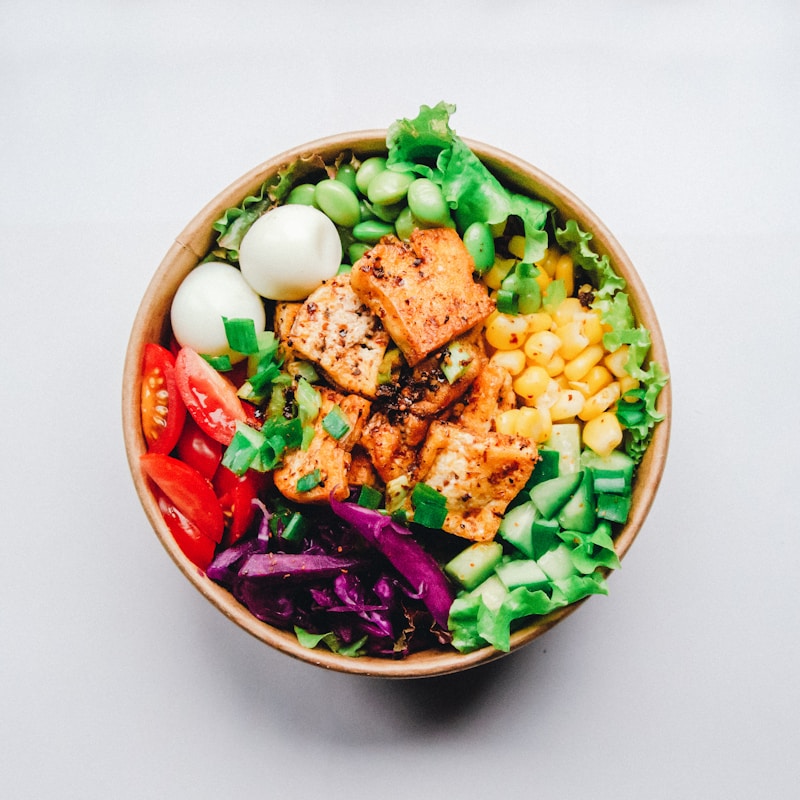
Colorful balanced meal

Scan your meal and log calories, protein and macros in seconds.

Track it in the app

Concrete Numbers So You Are Not Guessing

The general recommendation falls between 1.2 and 2.0 grams of protein per kilogram of body weight per day for people on GLP-1 treatment. This range covers most situations.

A person who weighs 80 kilograms needs approximately 96 to 160 grams of protein per day. In terms of real food: that is about 400 grams of chicken breast, or 8 eggs, or two servings of fish. It is not a small amount, and it is not by chance that many people do not get there without planning.

For people who do resistance exercise, the number tends to be closer to 2.0g per kilogram. For those who are more sedentary, 1.2g may be enough, but most people feel better in the 1.5g range.

Available now for free

Meal Scanner

Scan any meal with your camera to automatically log calories, protein, and macros. AI recognition — no manual entry. Point, scan, move on.

Download on theApp Store
GET IT ONGoogle Play

Related Articles

Download on theApp Store
GET IT ONGoogle Play

Spreading It Across the Day Makes a Difference

Eating all your protein at dinner is a common mistake. Your body can use protein more efficiently when it is spread across three to four servings throughout the day.

Breakfast is the meal where most people fall short. An omelet with two eggs, Greek yogurt, cottage cheese. It may seem small, but it adds up. Lunch is another opportunity. Chicken with rice and beans, grilled fish with salad. The afternoon snack is what many people forget.

An example of distribution: breakfast with 25-30g, lunch with 35-40g, afternoon snack with 15-20g, dinner with 30-35g. That gets you to approximately 120g for an 80kg person.

Scan your meal and log calories, protein and macros in seconds.

Track it in the app

Practical Sources You Can Actually Eat

You do not need supplements if you can eat real food. The best practical sources are eggs, chicken, fish, Greek yogurt, lentils, ricotta or cottage cheese. These are dense in protein and relatively easy to eat even with reduced appetite.

Legumes like lentils and chickpeas have protein too, but they need to be combined with other foods to offer all amino acids. Rice and beans is the classic combination that works.

When supplements make sense: whey protein or collagen peptides are useful for people who cannot get enough protein from food, or for those who have difficulty cooking during the week. Not mandatory, but they help.

People who log what they eat during the week realize that weekday lunches are where protein most often falls short. With that data in hand, it is easier to adjust, whether that means changing what you buy or adding a whey shake mid-morning.

In PeptPro you log each meal and the app organizes the information by day and by week, showing you what is missing. You can clearly see if you are hitting the target or Consistently falling below it.

The difference between hitting and missing your protein goal is in the details you do not remember day to day. PeptPro logs meals, times, and shows you where you can improve. Check it out here.

Disclaimer: This content is informational only and does not replace professional medical advice. Always consult your doctor before starting, changing or stopping any treatment.

23 visualizações
Share

In this article

Ver todos
How to Plan Protein and Fiber-Rich Meals During GLP-1 Treatment
Nutrition

How to Plan Protein and Fiber-Rich Meals During GLP-1 Treatment

Learn how to plan protein and fiber-rich meals during GLP-1 treatment to maintain satiety, preserve muscle, and minimize side effects.

Jul 24, 2026 · 8 min read
Nutrition

Protein Intake on GLP-1: How Much Do You Really Need?

Getting enough protein on GLP-1 is critical for preserving muscle and maximizing weight loss. Learn exactly how much protein you need while taking GLP-1 medicat

Jul 24, 2026 · 5 min read
Nutrition

Protein Intake on GLP-1: How Much Do You Really Need?

Getting enough protein on GLP-1 is critical for preserving muscle and maximizing weight loss. Learn exactly how much protein you need while taking GLP-1 medicat

Jul 24, 2026 · 5 min read