PeptProblog
InícioSaúdeEfeitos ColateraisAlimentaçãoExercício e Corpo
Baixar App
PeptPro
blog

Conteúdo baseado em evidências para apoiar quem leva o protocolo de peptídeos a sério.

Navegação

  • Início
  • Categorias

Categorias

  • Saúde
  • Efeitos Colaterais
  • Alimentação
  • Exercício e Corpo
  • Saúde Mental
  • Como Usar
  • Tratamento

App PeptPro

Acompanhe seu protocolo de peptídeos diretamente no celular.

Baixar naApp Store
DISPONÍVEL NOGoogle Play
© 2026 PeptPro. Todos os direitos reservados.
PrivacidadeTermos de Uso
  1. Início
  2. ›Blog
  3. ›Efeitos Colaterais
  4. ›Nausea and Vomiting with GLP-1: Timing, Causes, and What Actually Helps
Efeitos Colaterais

Nausea and Vomiting with GLP-1: Timing, Causes, and What Actually Helps

4 de jul. de 2026·7 min de leitura·27 visualizações·Equipe Editorial PeptPro
Nausea and Vomiting with GLP-1: Timing, Causes, and What Actually Helps

Nausea and vomiting are the most common side effects of GLP-1 medications like semaglutide and tirzepatide. Here is what causes them, when they peak, and what actually helps.

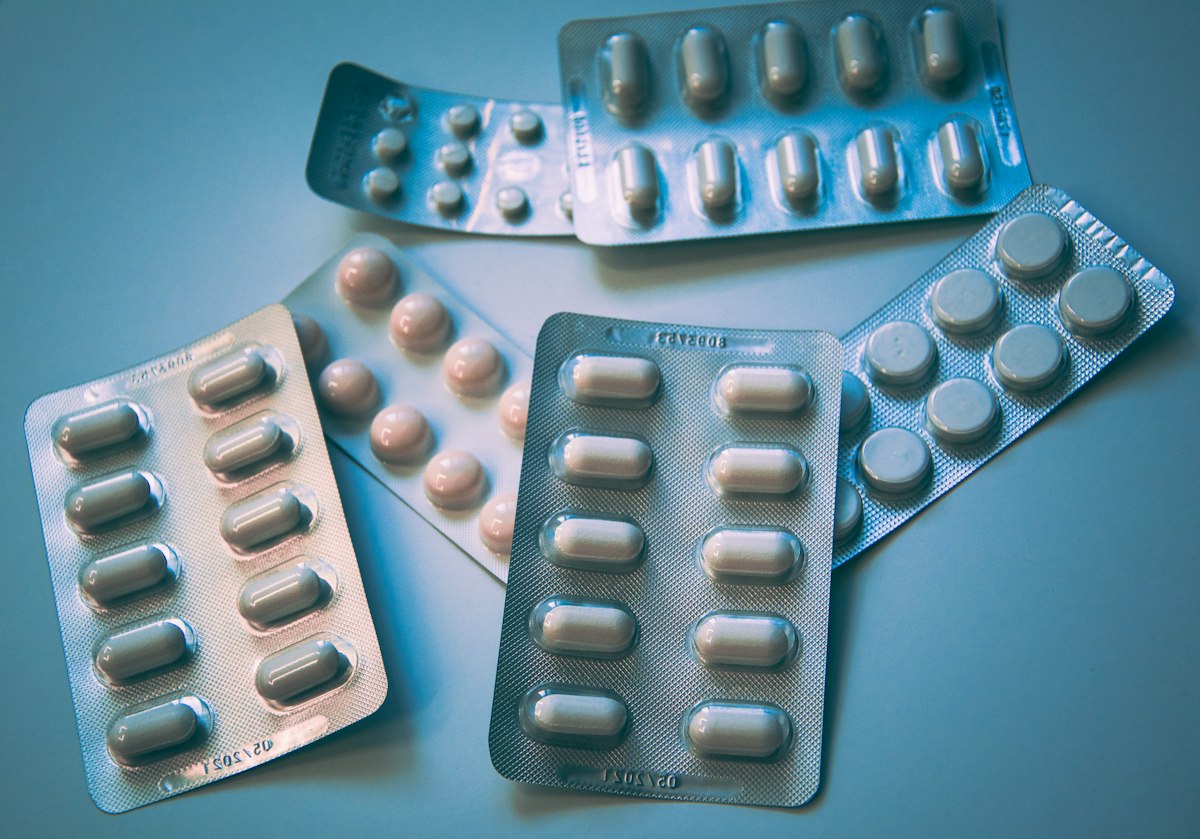
Woman feeling nauseous after medication

You just took your weekly GLP-1 injection. An hour later, your stomach starts churning. Two hours in, you are hugging the toilet. Sound familiar? You are not imagining it, and you are not alone.

Nausea and vomiting are the most commonly reported side effects of GLP-1 receptor agonists like semaglutide and tirzepatide. In the pivotal SUSTAIN trials, nausea affected roughly 20 to 30 percent of participants taking semaglutide. The SURPASS trials showed similar numbers for tirzepatide. These are not rare reactions. They are part of how these medications work, at least in the beginning.

If the queasiness hits you after injection and you are wondering whether it will ever get better, the short answer is yes for most people. The longer answer requires understanding what is actually happening in your body and when you should be concerned.

Nausea and Vomiting Are Not the Same Thing

People often lump nausea and vomiting together, and medically they are related, but they are distinct experiences with different underlying mechanisms.

Nausea is the uncomfortable feeling that you might vomit. It is a conscious sensation driven partly by the brain's chemoreceptor trigger zone and partly by vagal signals coming from your gut. Vomiting is the motor response, a complex sequence of muscle contractions that forces stomach contents upward.

With GLP-1 medications, nausea usually appears first. Vomiting tends to follow if the nausea escalates, though not everyone who feels nauseous will actually vomit. The distinction matters because the strategies that help with mild nausea may not be enough if vomiting sets in.

Registre sintomas com intensidade e associe a cada dose para ver padrões.

Registrar no app
Disponível agora gratuitamente

Monitoramento de Efeitos Colaterais

Registre sintomas com classificações de intensidade, associe-os a doses específicas e identifique padrões ao longo do tempo em todo o seu protocolo.

Baixar naApp Store
DISPONÍVEL NOGoogle Play

Artigos Relacionados

Baixar naApp Store
DISPONÍVEL NOGoogle Play

Why GLP-1 Medications Trigger Nausea

GLP-1 receptor agonists mimic a hormone your intestine releases after eating. That hormone does several things, and two of them directly cause nausea.

The first is delayed gastric emptying. GLP-1 slows down how quickly food moves from your stomach into your small intestine. When your stomach retains food longer than usual, it distends, and that stretch triggers nausea signals. This mechanism was demonstrated clearly in studies by Nauck et al. published in Diabetologia, where GLP-1 infusion significantly delayed gastric emptying in people with type 2 diabetes.

The second involves central nervous system pathways. GLP-1 receptors exist in areas of the brain that control appetite and the vomiting reflex. When these receptors activate, they send signals that reduce hunger and, in some people, trigger nausea. This is a direct effect of the medication on brain circuitry, not just a consequence of eating less.

With tirzepatide, which acts on both GLP-1 and GIP receptors, the nausea profile is similar but some clinical data suggests it may be slightly less frequent in early treatment phases compared to semaglutide. The SURPASS-2 trial, published in the New England Journal of Medicine by Frías et al., found nausea rates that led to discontinuation in about 3 percent of participants at the highest dose.

When the Nausea Peaks

Timing matters. Most people report that nausea begins within 4 to 24 hours after the injection and tends to be most intense in the first 2 to 3 days after a dose increase. If you inject weekly, you are essentially riding a small wave of nausea that builds after each shot and then gradually subsides before the next one.

This pattern typically improves over the first 4 to 8 weeks of treatment as your body adjusts. A study published in Obesity by Wharton et al. tracked participants starting semaglutide and found that gastrointestinal side effects were most prominent in the first month and declined significantly by week 12.

The exception is if your dose is being escalated. Each time the dose goes up, the nausea can return or intensify. Building up slowly, as most titration schedules recommend, helps your system adapt.

Warning Signs That Deserve a Call to Your Doctor

Nausea and vomiting from GLP-1 medication are usually temporary and manageable. However, certain symptoms suggest something more serious is happening and warrant medical attention.

Call your doctor if you cannot keep any fluids down for more than 24 hours. Dehydration is a real risk when vomiting is persistent, and it can require IV fluids. Also reach out if you notice signs of pancreatitis, such as severe abdominal pain that radiates to your back or does not improve. While GLP-1 medications have a low absolute risk of pancreatitis, it is a known albeit rare adverse event.

Vomiting that contains blood, material that looks like coffee grounds, or intense abdominal pain should prompt an emergency room visit. These are not normal side effects of GLP-1 therapy.

Persistent nausea that does not improve after several weeks also deserves discussion with your prescriber. Sometimes dose adjustment or a different medication is needed.

Registre sintomas com intensidade e associe a cada dose para ver padrões.

Registrar no app

What Actually Helps

Beyond waiting for your body to adjust, there are practical steps that genuinely reduce the discomfort.

Eating smaller, lower-fat meals makes a measurable difference. Fat slows gastric emptying more than protein or carbohydrates, so a high-fat meal after your injection can amplify the delay and worsen nausea. Stick to bland, easy-to-digest foods in the day or two following your dose. Rice, toast, bananas, and boiled potatoes are well tolerated by most people.

Staying upright for at least 30 to 60 minutes after eating helps gravity assist with gastric emptying rather than letting food sit in a slowed stomach. Lying down immediately after eating tends to make nausea worse.

Some people find that ginger, whether as tea, candy, or supplements, reduces nausea. The evidence for ginger in this context is modest but plausible given its known antiemetic properties. Peppermint tea works for some as well.

Hydration matters even when you do not feel like drinking. Small, frequent sips of water or electrolyte beverages are better than large volumes, which can feel overwhelming to a sluggish stomach.

Tracking Your Patterns

One of the most useful things you can do is keep a record of when nausea occurs, how severe it is, what you ate, and how you felt. This information helps you identify triggers, gives your doctor concrete data to work with, and reveals whether things are actually improving over time.

PeptPro is designed for exactly this kind of tracking. You can log when nausea starts, rate its intensity on a simple scale, and note what you ate before it appeared. Over weeks, the app builds a pattern that shows whether your nausea is tied to specific foods, happening at predictable times after your dose, or getting better or worse as the weeks pass.

People who track their symptoms consistently often discover that certain foods reliably trigger nausea while others do not. Some notice that their nausea peaks at a consistent interval after injection, which makes planning easier. The app keeps all of this organized so you are not trying to remember details from memory at your next appointment.

You can also use PeptPro to record vomiting episodes, track your weight, and note your energy levels. All of these data points give your prescriber a fuller picture of how you are responding to treatment.

Is This Worth It

The nausea can be rough. There is no point pretending otherwise. For some people it is a minor inconvenience. For others it is genuinely disabling in the early weeks.

But the data on GLP-1 medications for weight management and metabolic health are strong. In the STEP trials for semaglutide, participants who stayed on the medication long enough to get past the titration period saw meaningful weight loss and improvements in cardiometabolic markers. The SURPASS trials showed similar trajectories with tirzepatide.

Most people who discontinue GLP-1 therapy because of nausea do so in the first 4 to 12 weeks. Those who push through often find that the nausea becomes manageable and eventually fades to the background.

If you are struggling, talk to your doctor before stopping. Dose adjustment, slower titration, antiemetic medication, or switching to a different GLP-1 agent may make a difference.

The discomfort is real, but so is the potential benefit. Knowing what is causing the nausea, when it tends to peak, and how to manage it gives you a clearer path forward.

If you want to track your symptoms, doses, and meals in one place, PeptPro has everything you need to stay on top of your treatment. See the app here.

Aviso: Este conteúdo é apenas informativo e não substitui orientação médica profissional. Consulte sempre seu médico antes de iniciar, alterar ou interromper qualquer tratamento.

27 visualizações
Compartilhar

Neste artigo

Ver todos
Prisão de ventre com Ozempic e Wegovy: por que acontece e como aliviar
Efeitos Colaterais

Prisão de ventre com Ozempic e Wegovy: por que acontece e como aliviar

Entenda por que os medicamentos GLP-1 causam prisão de ventre e conheça estratégias práticas para aliviar, incluindo alimentação, hidratação e exercícios.

24 de jul. de 2026 · 6 min de leitura
Queda de cabelo com peptídeos e GLP-1: o que saber
Efeitos Colaterais

Queda de cabelo com peptídeos e GLP-1: o que saber

A queda de cabelo é um efeito colateral comum em tratamentos com peptídeos e GLP-1. Entenda as causas, quando se preocupar e como lidar.

23 de jul. de 2026 · 6 min de leitura
Efeitos Colaterais

Prisão de Ventre e GLP-1: O Que Funciona de Verdade

A prisão de ventre é um efeito colateral comum dos agonistas de GLP-1. Entenda por que acontece, o que realmente ajuda e o que evitar para não piorar o quadro.

23 de jul. de 2026 · 4 min de leitura