PeptProblog
InícioSaúdeEfeitos ColateraisAlimentaçãoExercício e Corpo
Baixar App
PeptPro
blog

Conteúdo baseado em evidências para apoiar quem leva o protocolo de peptídeos a sério.

Navegação

  • Início
  • Categorias

Categorias

  • Saúde
  • Efeitos Colaterais
  • Alimentação
  • Exercício e Corpo
  • Saúde Mental
  • Como Usar
  • Tratamento

App PeptPro

Acompanhe seu protocolo de peptídeos diretamente no celular.

Baixar naApp Store
DISPONÍVEL NOGoogle Play
© 2026 PeptPro. Todos os direitos reservados.
PrivacidadeTermos de Uso
  1. Início
  2. ›Blog
  3. ›Alimentação
  4. ›Meal Planning with GLP-1: A Practical Weekly Guide
Alimentação

Meal Planning with GLP-1: A Practical Weekly Guide

27 de jun. de 2026·10 min de leitura·38 visualizações·Equipe Editorial PeptPro
Meal Planning with GLP-1: A Practical Weekly Guide

A structured weekly meal plan helps you get the most from your GLP-1 protocol. Here is how to organize your eating without stress.

Planning your meals week by week is one of the most practical ways to get the most out of GLP-1 treatment without relying on willpower on busy days. PeptPro scans your meals and shows the macros instantly, building a history you can check at any time. Download here.

Starting a GLP-1 or peptide protocol means dealing with a new reality around food. The medication cuts hunger significantly, but that alone does not guarantee good choices at every meal. Without a plan, many people still reach for processed snacks, sweets, or refined carbs even when they are not truly hungry. The gap between taking the medication and eating well is where meal planning makes the difference.

Organizing your meals ahead of time is one of the simplest habits that separates people who get steady results from those who stall. It does not require perfection or elaborate厨房 skills. It requires a basic structure that removes friction on busy days and keeps protein at the center of every plate. With PeptPro you log meals by scanning them and get instant macro readouts, so you can check your protein intake in seconds and keep a record that builds over time. Download the app and start mapping your eating patterns to your protocol.
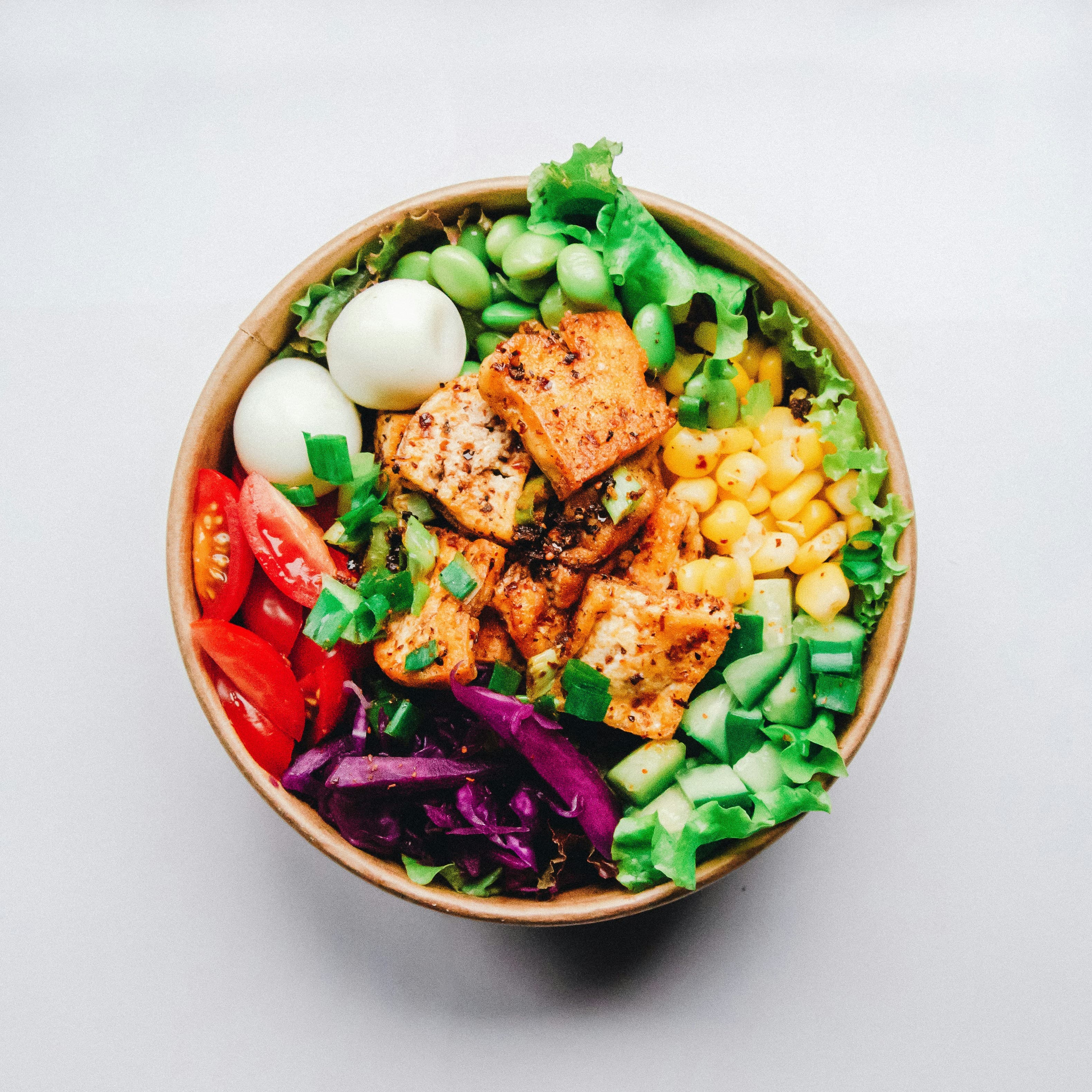
Why Meal Planning Changes the Game During Treatment

The link between medication-driven fullness and actual food choices

GLP-1 agonists reduce appetite by acting on brain receptors that control satiety. That does not mean the desire for comfort foods disappears automatically. Many people on these protocols still experience cravings for sweets, fried foods, and simple carbs. A meal plan acts as a decision-making shortcut. When you already know what you are going to eat on Tuesday evening, you are not negotiating with a craving at 8 p.m.

Preserving muscle mass during weight loss

Weight loss achieved with GLP-1 agonists can include lean tissue loss if protein intake is not properly managed. Blundell et al. (2017), published in Diabetes, Obesity and Metabolism, showed that appetite-suppressing medications need dietary protein support to protect muscle during caloric restriction. Structuring every meal around a protein source is the practical answer to that finding.

Cutting down side effects linked to eating habits

Nausea and gastrointestinal discomfort are common in the early weeks of treatment. Large meals, high-fat foods, and sugary dishes tend to make those symptoms worse. A plan that spreads intake across controlled portions rather than a couple of heavy meals helps keep symptoms manageable.

Keeping results consistent over time

The STEP 1 trial, published in the New England Journal of Medicine in 2021, demonstrated that participants using semaglutide combined with structured lifestyle intervention lost significantly more weight than those using the medication alone. The lesson is direct: consistency compounds. A few disciplined weeks beat sporadic perfection.

Disponível agora gratuitamente

Scanner de Refeições

Escaneie qualquer refeição com a câmera para registrar automaticamente calorias, proteínas e macros. Reconhecimento por IA — sem digitação manual. Aponte, escaneie, siga em frente.

Baixar naApp Store
DISPONÍVEL NOGoogle Play

Artigos Relacionados

Baixar naApp Store
DISPONÍVEL NOGoogle Play

Escaneie a refeição e registre calorias, proteína e macros em segundos.

Registrar no app

Building Each Meal the Right Way During Treatment

The protein-first approach

Protein should anchor every plate. This is not about obsessive tracking. It means making sure a protein source takes up at least one quarter of each main meal. A piece of chicken, fish, or eggs at breakfast and lunch goes a long way toward meeting daily needs.

The evidence behind this is solid. Pesta and Samuel (2014), published in Nutrition & Metabolism, found that high-protein diets preserve lean mass and extend satiety, which is particularly useful when hunger signals are dampened by medication. Think of protein as the foundation and everything else as what sits on top.

A visual guide to balanced plates

A practical method that works without scales or apps: split your plate visually. Half of it holds vegetables and leafy greens. One quarter holds your protein. One quarter holds a complex carb like brown rice, sweet potato, or oats. Adding a small amount of healthy fat from avocado, nuts, or olive oil supports nutrient absorption and rounds out satiety.

This is a guide, not a rulebook. The goal is consistency, not culinary perfection.

How many meals make sense on this protocol

Three main meals a day tend to work better than splitting into six smaller ones. The medication already controls between-meal hunger, so adding snacks can create a mechanical eating pattern that overrides natural signals. Let the drug do its job and eat when there is genuine hunger, not on a clock.

Creating a Practical Weekly Meal Plan

Start with the hardest days first

Before filling out a full week, identify which days are most likely to go off track. Busy workdays, social events, and deadlines tend to be the weak points. For those days, the plan needs to be bulletproof: a prepped container, something that heats in five minutes, or a delivery option that still fits the protein-first approach. The rest of the week becomes easier to manage once those problem areas have a plan.

A simple weekly structure

Pick two proteins, two vegetables, and two complex carbs as your weekly base and vary the cooking method rather than the ingredients. Example:

Proteins: chicken breast and salmon
Vegetables: broccoli and mixed greens
Carbs: brown rice and sweet potato

Sunday: grilled chicken with broccoli. Monday: baked salmon with greens. Tuesday: chicken with sweet potato. Wednesday: leftover chicken in a salad. Thursday: salmon with rice. This is not repetitive because the preparations change, and that is enough.

Why rotation keeps you on track

Repeating the same foods forever is nutritionally safe but psychologically draining. Switching up cooking methods and seasonings does more than changing ingredients. Grilling, roasting, and slow-cooking the same chicken breast produce different textures and flavors. Rotating seasonings like cumin, herbs, and citrus prevents taste fatigue without adding prep time.

The goal is a rough roadmap, not a restaurant menu. General direction beats detailed scheduling every time.

What to log in the app

With PeptPro you scan your meal and see the macros instantly. That quick check tells you whether you hit your protein target and builds a food history tied to your protocol. Over weeks, patterns emerge. You start noticing which meals keep you satisfied longer and which ones leave you reaching for something else an hour later. That data is useful for your next medical appointment because it ties eating habits to dose timing and side effects.

Sunday Prep: Getting the Week Started Right

Layered meal prep instead of full kitchen overhaul

You do not need to become a weekend chef. Layered prep works better: start with level one, which is cooking your main protein for the week. Level two adds a durable carb like rice or sweet potato. Level three is pre-portioning cleaned vegetables so they are ready to cook. More time available means more layers. The point is avoiding decision fatigue, not achieving kitchen mastery.

What actually freezes and stores well

Chicken breast, eggs, and lean cuts of fish hold up for days in the fridge and reheat without major texture loss. Brown rice, quinoa, and roasted sweet potato keep well for three to four days. Leafy greens last longer when stored properly in airtight containers with a paper towel to absorb moisture.

Avoid overcooking proteins if you plan to reheat them. Slightly undercooked chicken is better than dry, overcooked chicken that came out of the fridge a third time.

Fridge organization matters more than you think

Clear, stackable containers save time and reduce food waste. Label each one with the date and contents. Keep prepped items in the back of the bottom shelf where temperature is most stable. A quick glance at an organized fridge on a Wednesday night means the difference between eating what you planned and ordering takeout.

Hydration needs its own plan

Hydration is easy to overlook on GLP-1 protocols because thirst signals can be dulled alongside hunger. Keeping a water bottle visible on your desk or table builds the habit passively. PeptPro tracks water intake throughout the day and connects it to your protocol, giving you a view of how hydration relates to symptoms and dosing days.

Escaneie a refeição e registre calorias, proteína e macros em segundos.

Registrar no app

Social Events and Restaurants: Staying on Track Without the Drama

Get your mindset right before you walk in

Social eating challenges are usually mental before they are dietary. Comments like "just one bite" and peer pressure to indulge are real. Before any event, set a simple mental boundary: one off-plan meal does not erase weeks of consistent work. You are playing a long game, not proving anything at a dinner table.

Practical moves at a restaurant

Grilled, baked, or roasted preparations are your safest bets. Fried and breaded items tend to trigger more side effects and add calories without much nutritional value. Salmon, grilled chicken breast, and lean cuts of beef are widely available and fit the protein-first approach. If the portion is large, stop eating when you feel satisfied and ask for a takeout container. Buffets are the hardest setting because they remove friction from overeating, so prioritize venues with a la carte options when you can.

Alcohol deserves special attention. It adds calories without satiety and interferes with the appetite-regulating pathways that the medication targets. If drinking is unavoidable, opt for the lightest option available and never drink on an empty stomach.

Work dinners and corporate events

These are often the most difficult because there is social pressure to fit in. Eating something light before you arrive reduces the urge to overeat when faced with a self-serve table. Once there, focus on protein and vegetables. Stay away from the appetizer area and keep your hands busy with a water glass instead of a bread basket. If you can indicate dietary restrictions on the invitation, use that option. Nobody questions someone who says they are watching carbs for health reasons.

Log what happened afterward

Open PeptPro and record what you ate, even if it was outside the plan. That note is more valuable than a judgmental one. Over time, you start seeing which types of events consistently lead to overeating and which ones you handled well. That pattern, tied to dose days and symptoms in the app, gives your healthcare provider concrete data to work from at your next visit.

Making It Stick

Planning meals during a GLP-1 or peptide protocol does not have to be complicated. A couple of hours on Sunday to batch-cook protein and organize your fridge changes the texture of your entire week. The core principles are straightforward: keep protein at the center of every plate, avoid large-volume meals that trigger side effects, have prepped options ready for chaotic days, and handle social situations with a clear head instead of reactive decisions.

PeptPro supports that process by putting food logging, hydration tracking, symptom monitoring, and dose history in a single place. Instead of relying on memory, you open the app and everything is there, organized and ready for your next appointment. Small weekly adjustments add up to results that are visible at your next check-in. Start using it here.

Aviso: Este conteúdo é apenas informativo e não substitui orientação médica profissional. Consulte sempre seu médico antes de iniciar, alterar ou interromper qualquer tratamento.

38 visualizações
Compartilhar

Neste artigo

Ver todos
Como planejar refeições ricas em proteína e fibra durante o tratamento com GLP-1
Alimentação

Como planejar refeições ricas em proteína e fibra durante o tratamento com GLP-1

Descubra como planejar refeições ricas em proteína e fibra durante o tratamento com GLP-1 para manter saciedade, preservar músculos e minimizar efeitos colaterais.

24 de jul. de 2026 · 6 min de leitura
Alimentação

Qualidade da Dieta e GLP-1: O Que Você Come Importa Tanto Quanto a Dose

Quando se trata de tratamento com peptídeos e GLP-1, a conversa costuma girar em torno da dose, do horário da injeção e dos efeitos colaterais. Mas há

15 de jul. de 2026 · 5 min de leitura
Alimentação

Planejamento de Refeições no Tratamento com GLP-1: Como Organizar a Rotina Alimentar

Quando a fome diminui, a tentação é deixar as refeições acontecerem no escuro. Pular o café da manhã porque não deu fome. Almoçar tarde porque o corpo

15 de jul. de 2026 · 4 min de leitura