PeptProblog
InícioTratamentoComo UsarEfeitos ColateraisAlimentação
Baixar App
PeptPro
blog

Conteúdo baseado em evidências para apoiar quem leva o protocolo de peptídeos a sério.

Navegação

  • Início
  • Categorias

Categorias

  • Tratamento
  • Como Usar
  • Efeitos Colaterais
  • Alimentação
  • Exercício e Corpo
  • Saúde
  • Saúde Mental

App PeptPro

Acompanhe seu protocolo de peptídeos diretamente no celular.

Baixar naApp Store
DISPONÍVEL NOGoogle Play
© 2026 PeptPro. Todos os direitos reservados.
PrivacidadeTermos de Uso
  1. Início
  2. ›Blog
  3. ›Saúde
  4. ›Iron Supplementation and GLP-1: What You Need to Know About Absorption and Deficiency
Saúde

Iron Supplementation and GLP-1: What You Need to Know About Absorption and Deficiency

4 de jul. de 2026·8 min de leitura·1 visualizações·Equipe Editorial PeptPro
Iron Supplementation and GLP-1: What You Need to Know About Absorption and Deficiency

Martha had been on semaglutide for three months when she noticed something off. She was sleeping fine. She was staying hydrated. But the exhaustion was real. Not the kind that passes after a bad night, but the kind that made her question whether she was even getting anything done at work anymore.

Martha had been on semaglutide for three months when she noticed something off. She was sleeping fine. She was staying hydrated. But the exhaustion was real. Not the kind that passes after a bad night, but the kind that made her question whether she was even getting anything done at work anymore. Her doctor ran a full panel. The result: ferritin at 14 ng/mL, well below the lower limit of the reference range for most labs.

This story plays out more often than people expect. As GLP-1 agonists like semaglutide and tirzepatide become standard treatment for weight management and glycemic control, a quieter side effect is getting attention in clinical circles: iron absorption gets trickier for some patients, and deficiencies that were barely holding on can tip over into symptomatic territory.

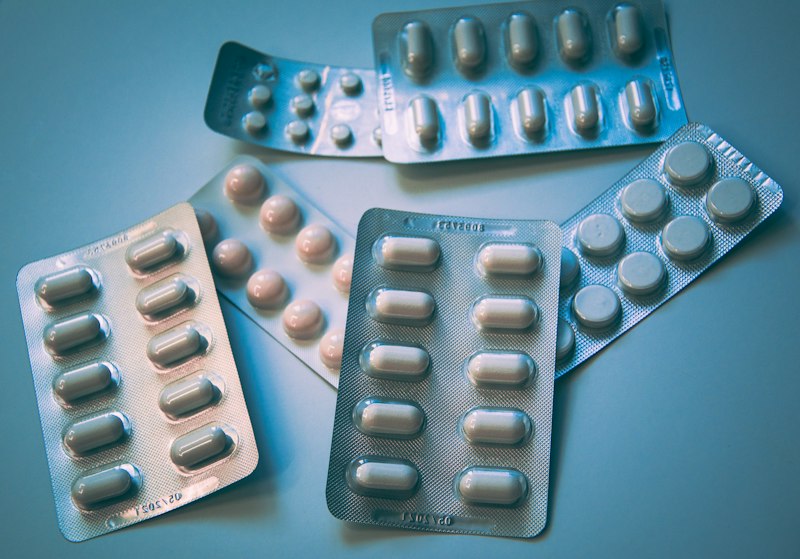
Iron supplements on a clean surface

Why Iron Matters More During GLP-1 Treatment

Iron is involved in more reactions in your body than most people realize. It carries oxygen in your blood through hemoglobin. It supports your immune system. It plays a role in how your muscles store and use energy. When iron runs low, every system that depends on it starts to drag.

There are two main ways GLP-1 treatment can contribute to lower iron levels. The first is straightforward: reduced food intake. Many people on semaglutide or tirzepatide eat less overall, and when portions shrink, iron-rich foods often shrink with them. Red meat, fortified cereals, beans, and leafy greens all contribute to daily iron intake, and cutting back on calories typically means cutting back on these foods too.

The second mechanism is less obvious but appears in the literature. GLP-1 agonists slow gastric emptying, which changes how food moves through and gets absorbed in the digestive tract. A 2022 study published in Diabetes, Obesity and Metabolism by Blundell et al. examined appetite and energy intake patterns in patients on semaglutide 2.4 mg and found that the medication produces a sustained reduction in caloric intake that goes beyond simple appetite suppression. While the study did not specifically measure iron absorption, the authors noted that prolonged reduction in food variety and volume raises the risk of micronutrient gaps.

Separate research on bariatric surgery patients, who also experience altered nutrient absorption due to changed gut anatomy, has long documented that procedures reducing stomach size or bypassing sections of the intestine correlate with higher rates of iron deficiency. GLP-1 agonists do not cause the same anatomical changes, but the pharmacological overlap is worth noting when thinking about nutrient absorption patterns.

Disponível agora gratuitamente

Rastreador de Exames de Sangue

Registre e acompanhe resultados laboratoriais ao longo do tempo. Veja como seu protocolo afeta seus biomarcadores — tudo em uma linha do tempo.

Baixar naApp Store
DISPONÍVEL NOGoogle Play

Artigos Relacionados

Baixar naApp Store
DISPONÍVEL NOGoogle Play

Acompanhe seus exames e veja o impacto do protocolo nos biomarcadores.

Registrar no app

Signs Your Iron Might Be Dropping

Iron deficiency does not announce itself loudly at first. The early stage, called iron depletion, often shows up only in blood work as low ferritin with everything else looking normal. You might feel a little more tired than usual or notice your workouts feeling harder, but it is easy to attribute that to life stress or poor sleep.

Once the deficiency progresses to iron deficiency anemia, the symptoms become harder to ignore. Extreme fatigue that does not lift with rest is the most common complaint. Pale skin, especially noticeable in the inside of your lower eyelids, is another tell. Some people report restless legs, especially at night. Others get headaches more frequently or notice their hair falling out more than usual. Brittle nails, a swollen or sore tongue, and unusual cravings for ice or dirt have also been reported, though these are less common.

If you are on a GLP-1 medication and you start noticing any of these symptoms, it is worth asking your doctor for a full iron panel rather than just a hemoglobin check. The panel should include serum iron, ferritin, transferrin saturation, and total iron-binding capacity. Ferritin is particularly important because it reflects your stored iron and drops before other markers change.

Who Faces Higher Risk

Not everyone on a GLP-1 agonist will develop iron deficiency, but certain groups carry more risk. Women who have heavy menstrual periods are already more likely to be iron-deficient before starting treatment, and the reduced food intake on GLP-1 medications can push them over the edge. People following predominantly plant-based diets also start with lower baseline iron absorption because the non-heme iron in plant foods is not as readily absorbed as the heme iron from animal sources.

Vegetarians and vegans using GLP-1 medications should pay particular attention because phytates in grains and legumes can further inhibit iron absorption when overall intake is already reduced.

Older adults on these medications may also be at higher risk because age alone reduces stomach acid production, and stomach acid is one of the key factors that helps convert iron into a form the body can absorb. Anyone with a history of gastrointestinal conditions like IBS, Crohn's disease, or celiac disease should be especially cautious, as these conditions often already involve some degree of nutrient malabsorption.

If you fall into one of these categories, bringing it up with your doctor before symptoms appear is a reasonable step. Some practitioners now include iron panels in the baseline labs for patients starting GLP-1 agonists, especially for those in higher-risk groups.

How to Monitor and Address Iron Levels

Tracking how you feel matters, but numbers tell a clearer story. The ideal ferritin level for most adults sits somewhere between 30 and 200 ng/mL, though some functional medicine practitioners argue that symptoms of fatigue often appear when ferritin drops below 50 ng/mL even if the lab reference range says otherwise. If your results come back borderline, working with your doctor to retest after a few months of dietary changes or supplementation is usually the right move rather than starting iron pills immediately.

When supplementation is needed, the form matters. Ferrous sulfate is the most common and usually the cheapest, but it can cause stomach upset and constipation in some people. Ferrous gluconate is gentler on the gut. Ferrous fumarate packs more elemental iron per tablet. If your stomach tolerates one form poorly, switching to another can make a difference.

Taking iron with vitamin C improves absorption. Taking it with calcium or within an hour of coffee or tea reduces absorption. Most people find it best to take iron on an empty stomach in the morning, but if nausea is an issue, taking it with a small amount of food is acceptable even if absorption is slightly lower.

This is where tracking comes in. People who log their symptoms and food intake alongside their lab results tend to have a much clearer picture of what is working. PeptPro lets you record symptoms like fatigue, headache, and dizziness with timestamps and severity ratings, which means you can actually see whether your energy improves after starting iron supplementation or after dietary changes. You can also log what you ate and when, which helps both you and your doctor connect the dots between intake and how you are feeling.

Logging lab results directly into the app and linking them to the doses you are taking creates a record that is genuinely useful in medical appointments. Instead of trying to remember whether you felt better or worse at your last checkup, you open the app and see the timeline laid out. That is the kind of data that makes conversations with your doctor more productive and adjustments more precise.

PeptPro also lets you set reminders for supplements, which sounds simple but makes a real difference for people who take iron inconsistently because they forget. Pairing the reminder with a meal you eat regularly, like breakfast, builds a habit faster than trying to remember to take something on an empty stomach every morning without any trigger.

Regular monitoring matters because iron overload is a real risk if you supplement without tracking and without periodic lab checks. High ferritin levels carry their own health concerns, so the goal is an adequate range, not sky-high numbers. Most doctors recommend retesting iron levels about three months after starting supplementation and then annually once stable.

Acompanhe seus exames e veja o impacto do protocolo nos biomarcadores.

Registrar no app

Putting It Together

The relationship between GLP-1 agonists and iron is not a reason to avoid these medications. The benefits for blood sugar control and weight management are well established and significant for many people. But it is a factor worth knowing about, especially if you fall into one of the higher-risk groups or if you start feeling more tired than your progress with diet and exercise would explain.

If you are on semaglutide, tirzepatide, or any other GLP-1 medication and fatigue is showing up where it was not before, ask for an iron panel. Keep a record of how you feel, what you eat, and what your labs show. Address deficiencies with your doctor's guidance, and retest to make sure you are moving in the right direction.

The PeptPro app was built for exactly this kind of ongoing, detailed tracking. It keeps your symptoms, meals, lab results, and supplement reminders in one place so you do not have to piece together your own history from memory. Start tracking your protocol here and bring solid data to your next appointment.


This article is for informational purposes only and does not constitute medical advice. Always consult a qualified healthcare provider before making changes to your medication, supplement, or treatment protocol.

References

  • EMA — Mounjaro (tirzepatida), EPAR
  • Jastreboff et al., SURMOUNT-1 — NEJM (2022)
  • OMS — Obesity and overweight, fact sheet

Aviso: Este conteúdo é apenas informativo e não substitui orientação médica profissional. Consulte sempre seu médico antes de iniciar, alterar ou interromper qualquer tratamento.

1 visualizações
Compartilhar

Neste artigo

Ver todos
Peptídeos e a Anvisa: como conferir se um produto tem registro antes de comprar
Saúde

Peptídeos e a Anvisa: como conferir se um produto tem registro antes de comprar

Antes de comprar semaglutida, tirzepatida ou outro peptídeo, veja como consultar o registro no portal da Anvisa e quais sinais de alerta observar.

26 de nov. de 2026 · 8 min de leitura
Saúde

Semaglutida genérica no Brasil: o que o termo significa de verdade e como funciona o registro na Anvisa

Entenda o que “genérico” significa para a semaglutida no Brasil, como funciona o registro na Anvisa e como conferir um produto antes de comprar.

26 de nov. de 2026 · 9 min de leitura
GLP-1 e planejamento de gravidez: o que perguntar ao médico antes de engravidar
Saúde

GLP-1 e planejamento de gravidez: o que perguntar ao médico antes de engravidar

Quer engravidar e usa GLP-1? Veja as dúvidas que vale levar ao médico sobre tempo de suspensão, controle metabólico, nutrição e o que ainda não se sabe.

24 de nov. de 2026 · 8 min de leitura