PeptProblog
InícioTratamentoComo UsarEfeitos ColateraisAlimentação
Baixar App
PeptPro
blog

Conteúdo baseado em evidências para apoiar quem leva o protocolo de peptídeos a sério.

Navegação

  • Início
  • Categorias

Categorias

  • Tratamento
  • Como Usar
  • Efeitos Colaterais
  • Alimentação
  • Exercício e Corpo
  • Saúde
  • Saúde Mental

App PeptPro

Acompanhe seu protocolo de peptídeos diretamente no celular.

Baixar naApp Store
DISPONÍVEL NOGoogle Play
© 2026 PeptPro. Todos os direitos reservados.
PrivacidadeTermos de Uso
  1. Início
  2. ›Blog
  3. ›Exercício e Corpo
  4. ›Exercise with GLP-1: how to preserve muscle mass during treatment
Exercício e Corpo

Exercise with GLP-1: how to preserve muscle mass during treatment

6 de ago. de 2026·8 min de leitura·0 visualizações·Equipe Editorial PeptPro
Exercise with GLP-1: how to preserve muscle mass during treatment

Learn how to exercise during GLP-1 treatment to preserve muscle mass, recommended workout types, and Apple Health integration.

When you start GLP-1 treatment, the weight tends to come off. That is the goal, after all. But the scale going down does not tell the whole story. Part of what you lose is fat. Part of it, unfortunately, is muscle. And that matters more than most people realize.

Muscle is not just about appearance. It drives your metabolism, keeps your joints safe, and determines how well you move as you get older. Losing too much of it sets you up for problems down the road. The good news is that you can fight back. Exercise, especially resistance training, gives your body a reason to hold onto muscle even during active weight loss.

If you want a way to track your workouts, symptoms, and hydration in one place while you go through treatment, download PeptPro here. It connects with Apple Health and gives you a clear view of your progress over time.
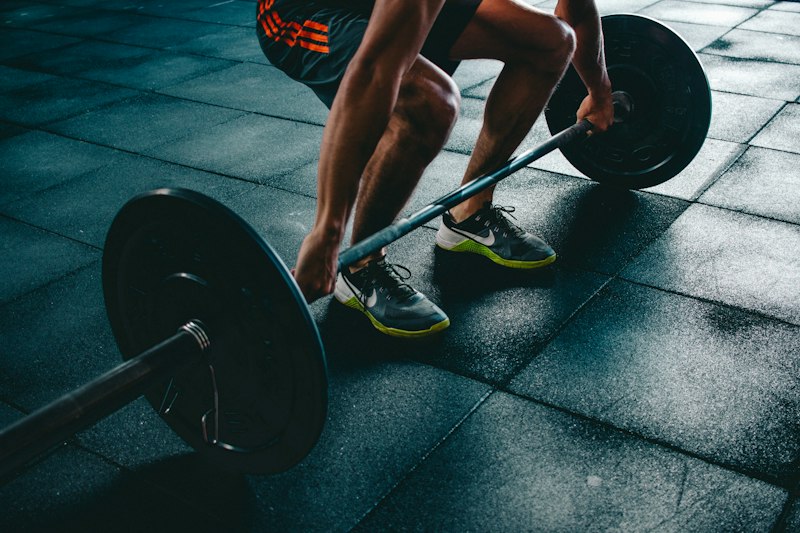
Resistance training at the gym

Why muscle matters during GLP-1 treatment

Sarcopenia is the medical term for losing muscle mass along with strength. It happens naturally with age, but GLP-1 agonists can speed it up if you are not careful. Research published in Molecular Metabolism (2024) found that people using semaglutide lost an average of 25 percent of their weight as lean mass, which includes muscle and bone. That is a significant portion.

A study in Diabetes Care (October 2024) confirmed similar findings across different GLP-1 drugs. The authors pointed out that lean mass loss hurts metabolic rate. When you have less muscle, your body burns fewer calories at rest. That makes keeping the weight off harder over time.

Beyond metabolism, muscle protects your skeleton, helps with balance, and keeps you functional in everyday life. Nobody wants to lose weight only to end up fragile and tired. Preserving muscle is about staying strong enough to enjoy the results of the treatment.

Registre seu peso e sincronize passos e treinos com o Apple Health.

Disponível agora gratuitamente

Integração com Apple Health

Sincronize passos, treinos e dados de atividade diretamente do Apple Health. Tenha uma visão completa dos seus movimentos diários ao lado do seu protocolo.

Baixar naApp Store
DISPONÍVEL NOGoogle Play

Artigos Relacionados

Baixar naApp Store
DISPONÍVEL NOGoogle Play
Registrar no app

What the science says about exercise and GLP-1

You cannot outrun a bad diet, but you also cannot outrun the effects of GLP-1 without resistance training. Exercise works as a signal to your body. When you lift weights or challenge your muscles, you tell them to stay. Without that signal, the body breaks down muscle for energy, especially when caloric intake drops.

A 2025 study in Diabetes Research and Clinical Practice reviewed data from multiple trials and concluded that combining GLP-1 therapy with structured resistance exercise led to better preservation of lean mass compared to GLP-1 therapy alone. The participants who trained regularly kept more muscle and still lost similar amounts of fat.

This does not mean you need to become a bodybuilder. It means you need to give your muscles a reason to stick around.

Best types of exercise during GLP-1 treatment

Resistance training is the clear winner here. Weightlifting, bodyweight exercises, resistance bands, and machine work all send the signal your muscles need. Compound movements work best because they engage multiple muscle groups at once.

Squat, deadlift, bench press, rows, and overhead press are solid choices. If you are new to the gym, start light and focus on form. Poor technique leads to injury, and injury means you stop training, which defeats the purpose.

Aerobic exercise has its place too. Walking, cycling, and swimming support heart health and calorie burn. Just do not rely on cardio alone to preserve muscle. Resistance work does what cardio cannot in this regard.

How often should you train

The minimum that works for most people is two to three resistance sessions per week. That is enough to maintain muscle mass if you are consistent. Each session should target the major muscle groups, with enough weight that the last few reps feel genuinely challenging.

If you can do four sessions, that is even better. Just avoid training the same muscle group every day. Muscles grow and repair between sessions, not during them.

Complement your resistance work with moderate cardio two to three times per week. This keeps your cardiovascular system in shape without burning you out or interfering with recovery.

Protein intake matters as much as training

You can train hard and still lose muscle if your diet does not support recovery. Protein provides the building blocks your body needs to repair and maintain muscle tissue.

Most guidelines suggest 1.2 to 1.6 grams of protein per kilogram of body weight per day during active weight loss with GLP-1 treatment. For a person weighing 80 kilograms, that is roughly 100 to 130 grams of protein daily. Spread that intake across your meals rather than dumping it all into one sitting.

Good sources include chicken, fish, eggs, Greek yogurt, legumes, and tofu. If you struggle to hit your protein target through food alone, a quality protein supplement can fill the gap.

Keeping track of what you eat matters. Many people underestimate their protein intake without measuring. Logging meals helps you see whether you are actually getting enough.

Staying safe during workouts on GLP-1

GLP-1 agonists slow gastric emptying. That means food sits in your stomach longer than usual. Exercising on a full stomach can cause discomfort, nausea, or even vomiting. Give yourself at least two hours after a meal before training.

Hydration deserves extra attention too. GLP-1 reduces appetite, which often means people drink less water instinctively. Combine that with exercise, and dehydration becomes a real risk. Sip water throughout the day, not just during workouts. PeptPro lets you log hydration with quick taps so you can see if you are falling behind.

Pay attention to how you feel during exercise. Dizziness, excessive weakness, or nausea are signals to stop and rest. Do not push through serious discomfort. Scale back the intensity when needed and build back up gradually.

Feeling unwell after an injection day is common. Consider scheduling rest or light activity on those days rather than intense training.

Registre seu peso e sincronize passos e treinos com o Apple Health.

Registrar no app

How PeptPro supports your exercise routine

The app connects with Apple Health to pull in your activity data automatically. Heart rate during exercise, calories burned, and steps all sync in one place. You can see your workout history at a glance and track whether you are staying consistent week to week.

Logging hydration is built in too. Since staying hydrated matters extra during GLP-1 treatment, having a simple way to record water intake helps you stay on top of it. The app reminds you to drink and lets you log glasses or milliliters with a tap.

You also track symptoms and how you feel after each session. If you notice dizziness after certain exercises or nausea on high-intensity days, that data builds a picture you can share with your doctor. Instead of trying to remember how you felt two weeks ago, you open the app and show her the history.

Using these features together gives you a complete view of your treatment and how your body responds to exercise. The more data you have, the better decisions you can make.

Signs you need to back off

Some muscle soreness after training is normal. Sharp pain, swelling, or pain that stops you mid-movement is not. If something feels wrong in a joint or you feel pain that does not match the effort you put in, stop.

Excessive weakness or dizziness during exercise is worth taking seriously. It can signal low blood sugar, dehydration, or simply doing too much on a day when your body is not ready. Reduce the intensity or call it a day. There is always tomorrow.

If you experience severe or persistent symptoms, talk to your doctor before continuing. Exercise supports your treatment, but not at the cost of your safety.

Building a sustainable routine

Consistency beats intensity in the long run. Three moderate sessions per week for six months will preserve more muscle than two extreme sessions per week for three months followed by burnout.

Start where you are. If you have not trained in years, begin with bodyweight exercises and short sessions. If you are already active, maintain your routine and pay closer attention to protein and recovery. The goal is to build something you can stick with for the duration of your treatment and beyond.

Track your progress. Photos, measurements, and strength logs show changes the scale alone cannot. Watching yourself get stronger or maintain muscle despite weight loss is motivating. PeptPro builds a record of your workouts and symptoms over time so you can see the pattern clearly.

The bottom line

GLP-1 treatment helps you lose weight, but preserving muscle requires intention. Resistance training signals your body to hold onto what matters. Protein provides the raw material. Adequate hydration and smart scheduling keep you safe.

You do not have to figure this out alone. PeptPro gives you a place to log workouts, track hydration, and monitor symptoms so you can exercise with confidence. Start using PeptPro today and take control of your routine while you work toward your goals.


Sources:

  • Molecular Metabolism. 2024 Feb;80:101880. https://pubmed.ncbi.nlm.nih.gov/38218536/
  • Diabetes Care. 2024 Oct;47(10):1718-1730. https://pubmed.ncbi.nlm.nih.gov/38687506/
  • Diabetes Research and Clinical Practice. 2025 Nov;229:112924. https://pubmed.ncbi.nlm.nih.gov/41022269/

Aviso: Este conteúdo é apenas informativo e não substitui orientação médica profissional. Consulte sempre seu médico antes de iniciar, alterar ou interromper qualquer tratamento.

0 visualizações
Compartilhar

Neste artigo

Ver todos
Peptídeos para quem treina: quando faz sentido, critérios e limites
Exercício e Corpo

Peptídeos para quem treina: quando faz sentido, critérios e limites

Veja os critérios para decidir se peptídeos fazem sentido para quem treina, quais cenários pedem cautela e como checar procedência antes de qualquer passo.

12 de out. de 2026 · 8 min de leitura
Peptídeos para massa muscular: o que os estudos mostram de verdade (e o que ainda não mostram)
Exercício e Corpo

Peptídeos para massa muscular: o que os estudos mostram de verdade (e o que ainda não mostram)

Peptídeos para massa muscular ganham espaço nas redes, mas o que foi testado em humanos é bem mais limitado do que o discurso sugere.

11 de out. de 2026 · 10 min de leitura
Exercício e Corpo

Peptídeos e treinamento: o que muda na recuperação quando você usa (e o que a evidência ainda não confirma)

Entenda o que acontece na recuperação após o treino, o que CJC-1295, Ipamorelin, BPC-157 e TB-500 podem e não podem fazer, e quais cuidados valem antes de qualquer decisão.

10 de out. de 2026 · 8 min de leitura