PeptProblog
InicioSaludEfectos SecundariosAlimentaciónEjercicio y Cuerpo
Descargar App
PeptPro
blog

Contenido basado en evidencia para apoyar a quienes se toman en serio su protocolo de péptidos.

Navegación

  • Inicio
  • Categorías

Categorías

  • Salud
  • Efectos Secundarios
  • Alimentación
  • Ejercicio y Cuerpo
  • Salud Mental
  • Cómo Usar
  • Tratamiento

App PeptPro

Sigue tu protocolo de péptidos directamente desde tu celular.

Descargar en elApp Store
DISPONIBLE ENGoogle Play
© 2026 PeptPro. Todos los derechos reservados.
PrivacidadTérminos de Uso
  1. Inicio
  2. ›Blog
  3. ›Alimentación
  4. ›Getting Enough Protein on GLP-1 Treatment
Alimentación

Getting Enough Protein on GLP-1 Treatment

9 jun 2026·8 min de lectura·70 visualizaciones·Equipe Editorial PeptPro
Getting Enough Protein on GLP-1 Treatment

Complete guide on protein intake during GLP-1 treatment. Learn how many grams you need to preserve muscle while losing weight.

Started GLP-1 treatment and want to make sure you're losing fat, not muscle? PeptPro helps you track your daily protein intake. Download here.

You started a GLP-1 medication and the scale dropped fast. Three kilos gone in the first month. You can fit into pants that wouldn't zip up last month. It feels like magic. But here's what nobody tells you: part of that weight loss isn't fat. It's muscle.

Research shows that up to 40% of total weight loss during GLP-1 therapy can come from fat-free mass, which includes skeletal muscle. In a treatment that lasts months, this translates to muscle loss equivalent to years of natural aging. For anyone who wants to lose weight properly and keep the results, this changes everything.

The solution isn't complicated. You need to eat enough protein. And this guide will help you understand exactly what that means.
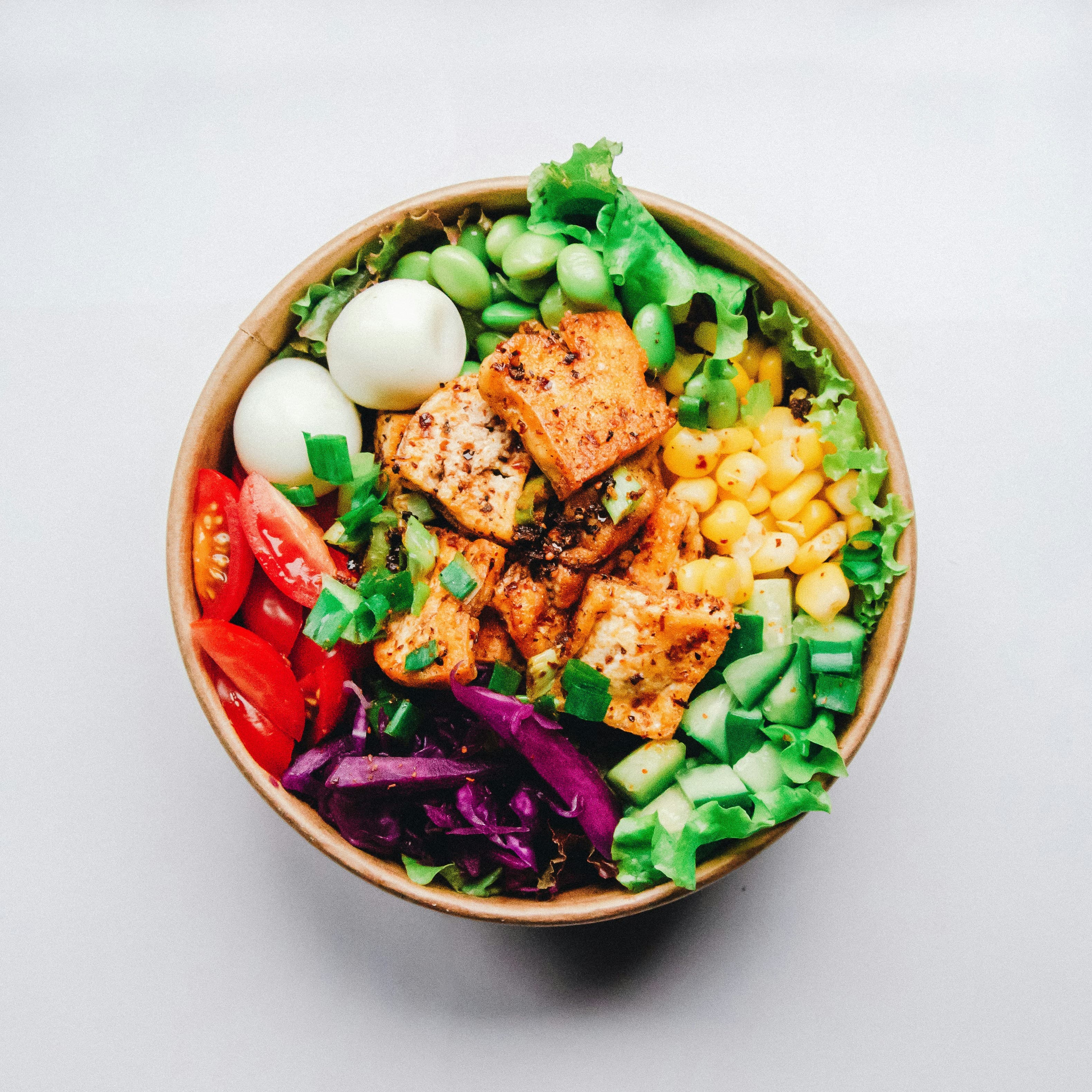
Why Protein Matters More on GLP-1 Than Off It

GLP-1 receptor agonists like semaglutide and tirzepatide work by mimicking an intestinal hormone that controls appetite and blood sugar. Beyond reducing hunger intensely, they change how your body uses energy. During rapid weight loss, if you're not eating enough protein, your body can break down muscle to get the amino acids it needs.

A 2024 review in the Journal of Endocrine Society found that distinguishing between fat-free mass and actual skeletal muscle mass is critical. While some lean mass loss is unavoidable due to reduced adipose tissue, a significant portion comes from muscle tissue itself. Clinical trial participants receiving GLP-1 agonists for obesity lost 10% or more of their muscle mass during 68- to 72-week interventions. That's approximately equivalent to 20 years of normal age-related muscle loss.

Muscle burns more calories at rest than fat. When you lose muscle, your metabolism slows down. Your body starts spending less energy just to keep you alive. And when you stop the medication, weight comes back easily because your metabolism isn't what it used to be.

Escanea tu comida y registra calorías, proteína y macros en segundos.

Registrar en la app
Disponible ahora gratis

Escáner de Comidas

Escanea cualquier comida con la cámara para registrar automáticamente calorías, proteínas y macros. Reconocimiento con IA — sin entrada manual. Apunta, escanea, sigue adelante.

Descargar en elApp Store
DISPONIBLE ENGoogle Play

Artículos Relacionados

Descargar en elApp Store
DISPONIBLE ENGoogle Play

How Much Protein Do You Actually Need

Protein needs go up during weight loss, especially on GLP-1 medications. The general recommendation for healthy adults is 0.8 to 1.2 grams per kilogram of body weight per day. But during GLP-1 treatment, many specialists recommend 1.2 to 1.6 grams per kilogram to preserve muscle mass.

A 70-kilogram person needs at least 84 grams of protein daily under standard recommendations. Someone on GLP-1 therapy should aim for 84 to 112 grams minimum, potentially reaching 112 grams if significant muscle loss is occurring.

In practical terms, that means including protein in every main meal. 100 grams of cooked chicken breast has about 31 grams of protein. Two large eggs have about 12 grams. A100-gram serving of salmon has about 25 grams. One cup of plain Greek yogurt has about 10 grams. Nobody needs to eat chicken with rice every 3 hours, but spreading protein throughout the day helps your body absorb it better.

People with kidney disease should talk to their doctor before increasing protein intake. That's a point that cannot be overlooked.

Signs You're Not Eating Enough Protein

Some symptoms can indicate your diet is low in protein. Excessive fatigue even with enough sleep. Hair shedding more than usual. Difficulty gaining strength even when exercising. Muscle soreness that lingers after light activities. Nails that break easily. Swelling in legs or feet.

If you're noticing two or more of these signs, it's worth evaluating what's on your plate.

When Muscle Loss Becomes a Health Risk

Muscle loss isn't just an aesthetic concern. Weak muscles mean bones get less workload, which increases the risk of osteoporosis. In people over 50, muscle loss significantly raises the risk of falls and fractures. Chronic fatigue because less muscle means less energy available for daily activities.

A 2024 study in Metabolism warns that loss of muscle and bone can compromise physical function, metabolic rate, and overall health, especially in older adults. Sarcopenia, which is the progressive loss of muscle mass, can lead to what doctors call sarcopenic obesity, which is when someone has little muscle but still excess fat.

The good news is much of this can be prevented with the right amount of protein and resistance exercise.

How to Distribute Protein Throughout the Day

It's not enough to hit your total amount at the end of the day. How you spread protein intake also affects muscle preservation. Your body absorbs it better when consuming25 to 40 grams per meal.

Include protein at breakfast. Two scrambled eggs with cottage cheese, for example, already give you about 20 grams. At lunch, a chicken breast or fish fillet with a side. At dinner, eggs or tofu are lighter options that won't make you feel heavy.

If you struggle to remember what you ate throughout the day, a food tracking app helps. PeptPro lets you log meals and see how many grams of protein you've consumed so far. It's practical and avoids mental math at the end of the day.

Foods That Help Preserve Muscle

Some protein sources are especially effective during GLP-1 treatment. Chicken, turkey, and lean cuts of beef are classic options that work for any meal. Fatty fish like salmon and sardines provide protein plus omega-3, which helps reduce inflammation in the body.

Eggs are complete in essential amino acids and can be prepared in many different ways. Greek yogurt, cottage cheese, and milk provide protein along with calcium. Beans, lentils, and chickpeas are good options for those who prefer to eat less meat. Tofu and edamame are soy-based alternatives that yield plenty of protein.

Vitamin D matters too. It's essential for muscle health and is found in fish, eggs, and sun exposure. People who don't get regular sun may have a deficiency and should consult a doctor to check their levels.

Escanea tu comida y registra calorías, proteína y macros en segundos.

Registrar en la app

The Role of Exercise

Protein alone won't cut it. To maintain muscle, you need to load your muscles. Resistance exercise is the most efficient way to do this.

Weight training, bands, or even bodyweight exercises work. Push-ups, squats, bridges, and other exercises that target major muscle groups already make a difference. The minimum recommendation is 2 to 3 sessions per week, 30 to 45 minutes each.

A 2025 review shows that resistance training combined with adequate protein intake can significantly reduce muscle loss during GLP-1 treatment. The effect is most consistent when protein is consumed within 2 hours after exercise.

If you've never done resistance training, start slow. The important thing is building the habit before increasing intensity.

Common Mistakes

Some mistakes can sabotage your efforts without you realizing it.

Eating too little is the most common one. Many people drastically cut calories on GLP-1 and forget that protein needs space in the diet. Skipping protein at breakfast is another harmful habit. Breakfast is one of the most important meals for hitting your daily target.

Doing only cardio and ignoring resistance training is a frequent mistake. Running and walking preserve the heart, but they don't protect muscle. Cutting carbohydrates completely doesn't work either. They provide energy for workouts and help with recovery.

Not seeking professional guidance is the most serious mistake. Everyone is different, and what works for one person may not work for another. Dietitians, doctors, and personal trainers exist for this.

When to Seek Help

Some signs indicate you should seek professional guidance. Very rapid weight loss, more than 1 kilogram per week after the initial phase. Persistent fatigue that doesn't improve with rest. Frequent dizziness or weakness. Frequent falls or difficulty with simple daily activities.

If you have questions about your diet or can't hit your protein target, a dietitian can calculate your specific needs. An endocrinologist evaluates hormonal and metabolic health. A personal trainer creates a program suited to your level.

Key Takeaways

Protein is your ally during GLP-1 treatment. Cutting calories isn't enough. You need to protect the muscle you already have. With the right amount of protein, resistance exercise, and attention to your body's signals, you maximize fat loss and minimize muscle loss.

Calculate your needs: body weight in kilograms times 1.2 to 1.6. Spread across3 to 4 meals throughout the day. Combine with resistance exercise 2 to 3 times per week. Monitor for signs of excessive muscle loss. Seek professional help if you have questions or concerning symptoms.

GLP-1 is a powerful tool. When combined with proper nutrition and exercise, the results are much better, for today and for the future.

If you want to make it easier to track your daily protein intake, see the app here: https://apps.apple.com/us/app/peptide-tracker-peptpro/id6764484462

References

  • EMA — Mounjaro (tirzepatida), EPAR
  • Jastreboff et al., SURMOUNT-1 — NEJM (2022)
  • OMS — Obesity and overweight, fact sheet

Aviso: Este contenido es solo informativo y no sustituye la orientación médica profesional. Consulta siempre a tu médico antes de iniciar, cambiar o interrumpir cualquier tratamiento.

70 visualizações
Compartir

En este artículo

Ver todos
Planificación de Comidas con GLP-1: Cómo Armar Platos que Maximizan el Efecto del Tratamiento
Alimentación

Planificación de Comidas con GLP-1: Cómo Armar Platos que Maximizan el Efecto del Tratamiento

Aprende a planificar comidas que maximizan el efecto del GLP-1.

2 sept 2026 · 10 min de lectura
Alimentación

Proteína en la Dieta con GLP-1: Cuánta Necesitas y Por Qué Importa

Cuando el GLP-1 reduce tu apetito, cada gramo de proteína cuenta más. Descubre cómo asegurar que tus músculos reciben lo que necesitan mientras pierdes peso.

29 ago 2026 · 4 min de lectura
Horario de Comidas con GLP-1: Qué Comer y Cuándo Para Mejores Resultados
Alimentación

Horario de Comidas con GLP-1: Qué Comer y Cuándo Para Mejores Resultados

Cómo el horario de las comidas afecta los resultados del tratamiento con GLP-1 y péptidos. Qué comer, cuándo comer y qué evitar cerca de la inyección.

26 ago 2026 · 4 min de lectura