PeptProblog
HomeHealthSide EffectsNutritionExercise & Body
Download App
PeptPro
blog

Evidence-based content to support those who take their peptide protocol seriously.

Navigation

  • Home
  • Categories

Categories

  • Health
  • Side Effects
  • Nutrition
  • Exercise & Body
  • Mental Health
  • How to Use
  • Treatment

App PeptPro

Track your peptide protocol right from your phone.

Download on theApp Store
GET IT ONGoogle Play
© 2026 PeptPro. All rights reserved.
PrivacyTerms of Use
  1. Home
  2. ›Blog
  3. ›Exercise & Body
  4. ›How to Protect Your Muscle Mass While Losing Weight with GLP-1
Exercise & Body

How to Protect Your Muscle Mass While Losing Weight with GLP-1

Jul 24, 2026·8 min read·2 views·Equipe Editorial PeptPro
How to Protect Your Muscle Mass While Losing Weight with GLP-1

Practical steps to maintain lean tissue while losing fat on GLP-1, from protein intake to strength training.

When you start a GLP-1 weight loss journey, the number on the scale usually drops pretty quickly. That feels good. But alongside fat loss, some muscle tissue often comes along for the ride, and that is not what you want. Keeping your muscle mass intact matters more than most people realize, not just for how you look but for how your body works, your metabolism, and your long-term health.

The good news is that muscle loss during weight loss is not inevitable. With the right approach to exercise, nutrition, and tracking, you can tilt the balance in favor of preserving lean tissue while still shedding the weight you set out to lose.

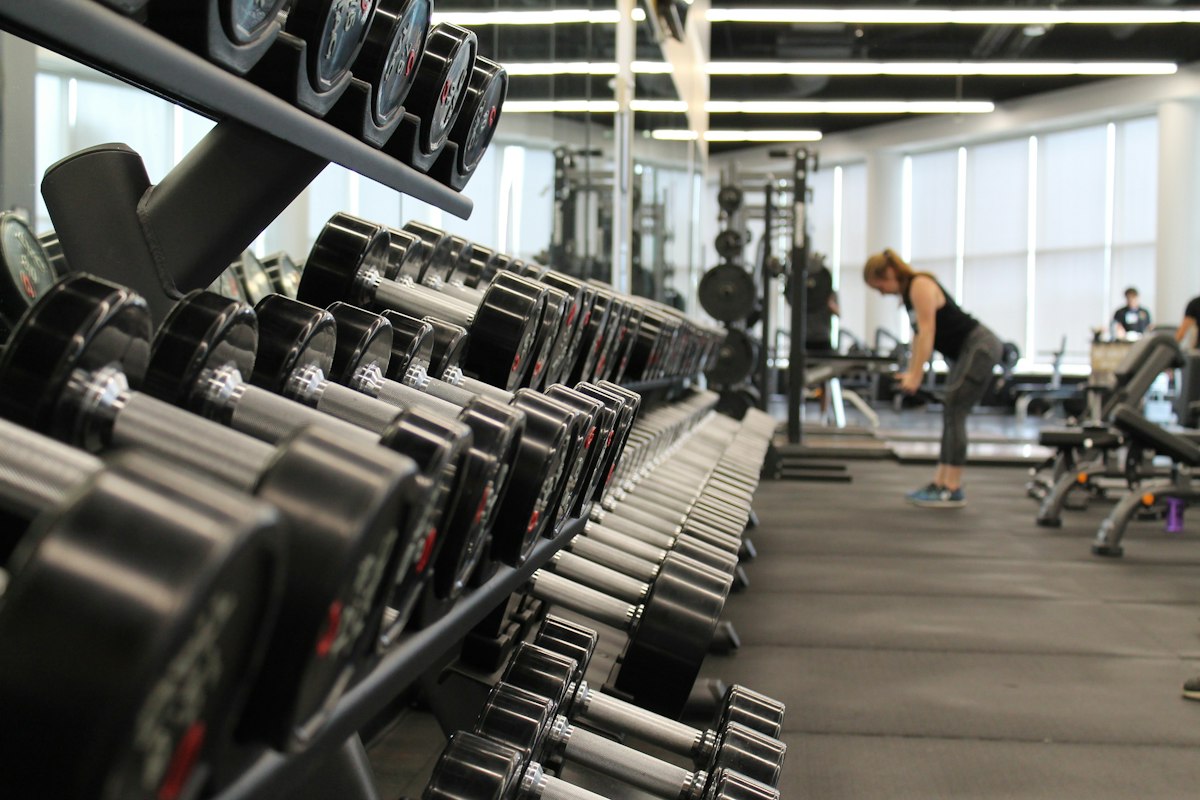
Woman doing resistance training at the gym, focused on maintaining muscle during weight loss

Why Muscle Is Lost During Weight Loss

Your body treats muscle protein as a reserve it can tap into when energy intake falls short. When you eat less than you burn, your system needs to source calories from somewhere. Fat provides a large portion of that deficit, but muscle tissue gets broken down too, especially if you are not giving your body enough protein or stimulus to hold onto it.

GLP-1 medications change appetite and eating behavior, which is exactly why they work for weight loss. But the rapid reduction in calorie intake can catch your muscles off guard. If you were previously eating 2500 calories a day and suddenly drop to 1600, your body does not immediately know the difference between a deliberate diet and a famine. It starts breaking down muscle to cover the gap.

This process speeds up when you lose weight quickly. The faster the scale drops, the more likely you are to lose muscle along with fat. Research on GLP-1 based weight loss shows that a meaningful portion of total weight lost can be lean mass, particularly when nutrition and exercise are not intentionally managed.

Low muscle mass over time also affects how many calories you burn at rest. Less muscle means a slower metabolism, which makes keeping weight off harder. That is the opposite of what most people want when they start treatment.

Available now for free

Apple Health Integration

Sync steps, workouts, and activity data directly from Apple Health. See a complete picture of your daily movement alongside your protocol.

Download on theApp Store
GET IT ONGoogle Play

Related Articles

Download on theApp Store
GET IT ONGoogle Play

Log your weight and sync steps and workouts from Apple Health.

Track it in the app

Resistance Exercise: Your Best Ally

Of everything you can do to protect muscle during weight loss, resistance training is the most powerful tool. Lifting weights or doing bodyweight exercises sends a clear signal to your muscles that they are needed, that they should stay, and that they should even grow stronger if possible.

You do not need to become a bodybuilder. Two to three strength sessions per week are enough to maintain muscle mass during a caloric deficit. Focus on compound movements that work multiple muscle groups at once. Squats, deadlifts, bench presses, rows, and overhead presses cover the major bases. If you prefer bodyweight training, pushups, pullups, lunges, and inverted rows work just as well.

Start with a weight that challenges you by the final few reps of each set. If 12 reps feel easy, bump the weight up. Progressive overload, meaning gradually increasing the demand on your muscles over time, is what keeps them adapting and staying put.

If you are new to strength training, working with a trainer for a few sessions to learn proper form is worth the investment. Bad technique wastes effort and increases injury risk. Once you know the basics, you can train independently with confidence.

Cardio has its place in a healthy routine, but it cannot replace strength work when the goal is preserving muscle. Long sessions of steady-state cardio without adequate protein and resistance stimulus can actually speed up muscle loss rather than prevent it. Keep cardio moderate, and prioritize your strength workouts.

Man performing resistance exercises with dumbbells, building strength and protecting muscle

Proper Nutrition to Protect Muscle

Protein is the building block your muscles need to repair and maintain themselves. During a caloric deficit, your protein needs actually go up compared to when you are in maintenance mode. Most people do well with somewhere between 1.6 and 2.2 grams of protein per kilogram of body weight daily when actively trying to preserve muscle while losing fat.

Spread your protein intake across the day rather than loading it all into dinner. Your body can only use so much at once, so three or four protein-rich meals gives your muscles a more steady supply to draw from.

Good protein sources include chicken breast, fish, eggs, Greek yogurt, cottage cheese, tofu, tempeh, legumes, and lean beef. If you struggle to hit your protein targets through food alone, a quality protein powder can help fill the gap without adding excessive calories.

Beyond protein, total caloric intake matters more than people expect. Dropping calories too aggressively makes muscle loss almost certain. A moderate deficit of 300 to 500 calories per day preserves more muscle than a severe restriction, and the weight loss results tend to stick around longer. Slow and steady usually wins when it comes to body composition.

Hydration plays a supporting role too. Muscle is roughly 80 percent water. Staying well hydrated helps your body function properly and supports the metabolic processes that keep muscle tissue healthy. Aim for enough water daily, and consider adding electrolytes if you are sweating heavily during workouts.

Log your weight and sync steps and workouts from Apple Health.

Track it in the app

When to Adjust Treatment

GLP-1 dosing is not a set-it-and-forget-it situation. As you lose weight, your body chemistry changes, and your treatment plan may need to evolve. Some people find that their appetite suppression becomes very strong at certain dose levels, making it hard to eat enough to support muscle preservation.

If you notice you are eating significantly less than you should be, or if your weight loss accelerates dramatically from one week to the next, that is worth bringing up with your prescriber. Sometimes pausing at a dose for an extra week or two allows your nutrition to catch up before moving higher.

Regular check-ins with your healthcare provider help catch these moments before they become problems. Come to appointments with your food log and your weight history. The data tells a story that subjective reporting simply cannot match. Providers can make better decisions when they have concrete numbers to work from.

Your body also changes its response to the medication over time. What worked in month one may need adjustment in month four. Staying attentive to how you feel, how hungry you are, and how your strength training is going gives you useful information to share at each visit.

PeptPro: Your Companion in Control

Keeping track of everything during GLP-1 treatment can feel like a second job. What you ate, when you took your dose, how your weight changed week to week, and how your workouts went are all pieces of information that matter when you are trying to preserve muscle while losing fat.

The PeptPro app brings all of that together in one place. You can log your doses and link them to how you felt that day, record your weight over time so you spot trends instead of getting caught up in daily fluctuations, and track your strength training sessions to see whether you are progressively overloading your muscles week after week. Download PeptPro here and start building a record that actually tells you something useful.

When you track your protein intake in the app, you get a clear picture of whether you are hitting your daily targets consistently. When you log your weight, you can see if you are losing too fast and might need to adjust your nutrition or your treatment pace.

The timeline view shows you how your weight has moved alongside your dosing schedule and your food intake. That kind of pattern recognition is difficult to do mentally, especially over months of treatment. With PeptPro, the app does the work of connecting the dots so you and your provider can make smarter decisions.

Anyone who has tried to manage GLP-1 treatment without tracking knows how easy it is to lose the thread. A few weeks of not paying close attention turns into a month of guesswork. It keeps you honest and your data organized, so the process stays on track even when life gets busy. See how it works here.

Building and maintaining muscle during GLP-1 weight loss requires intention, but it is entirely achievable. Prioritize your strength work, nail your protein intake, keep your deficit moderate, and track everything in a way that lets you see patterns and adjust quickly. Your body will thank you for it in two years when you are stronger, leaner, and healthier than when you started.

Disclaimer: This content is informational only and does not replace professional medical advice. Always consult your doctor before starting, changing or stopping any treatment.

2 visualizações
Share

In this article

Ver todos
Exercise & Body

GLP-1 and Skin Sagging: Prevention and Solutions

Rapid weight loss from GLP-1 medications can leave you with loose, sagging skin. Learn proven prevention strategies and solutions to address GLP-1 skin sagging

Jul 24, 2026 · 5 min read
Exercise & Body

GLP-1 and Skin Sagging: Prevention and Solutions

Rapid weight loss from GLP-1 medications can leave you with loose, sagging skin. Learn proven prevention strategies and solutions to address GLP-1 skin sagging

Jul 24, 2026 · 5 min read
Why Hydration is Essential During Peptide and GLP-1 Treatment
Exercise & Body

Why Hydration is Essential During Peptide and GLP-1 Treatment

Find out why staying hydrated is essential during peptide and GLP-1 treatment. Practical tips to avoid side effects and optimize results.

Jul 22, 2026 · 8 min read