The single most useful thing you can do for yourself during GLP-1 therapy is keep a detailed record of what is happening in your body. Not just weight, but how you feel, what you eat, and what you notice over time.
Weekly weight tracking, ideally at the same time and under the same conditions, gives you the data to spot trends. Sudden drops or sustained losses that exceed the 5 percent per month threshold become visible when you are recording consistently. Charts and graphs make patterns obvious in a way that memory alone cannot.
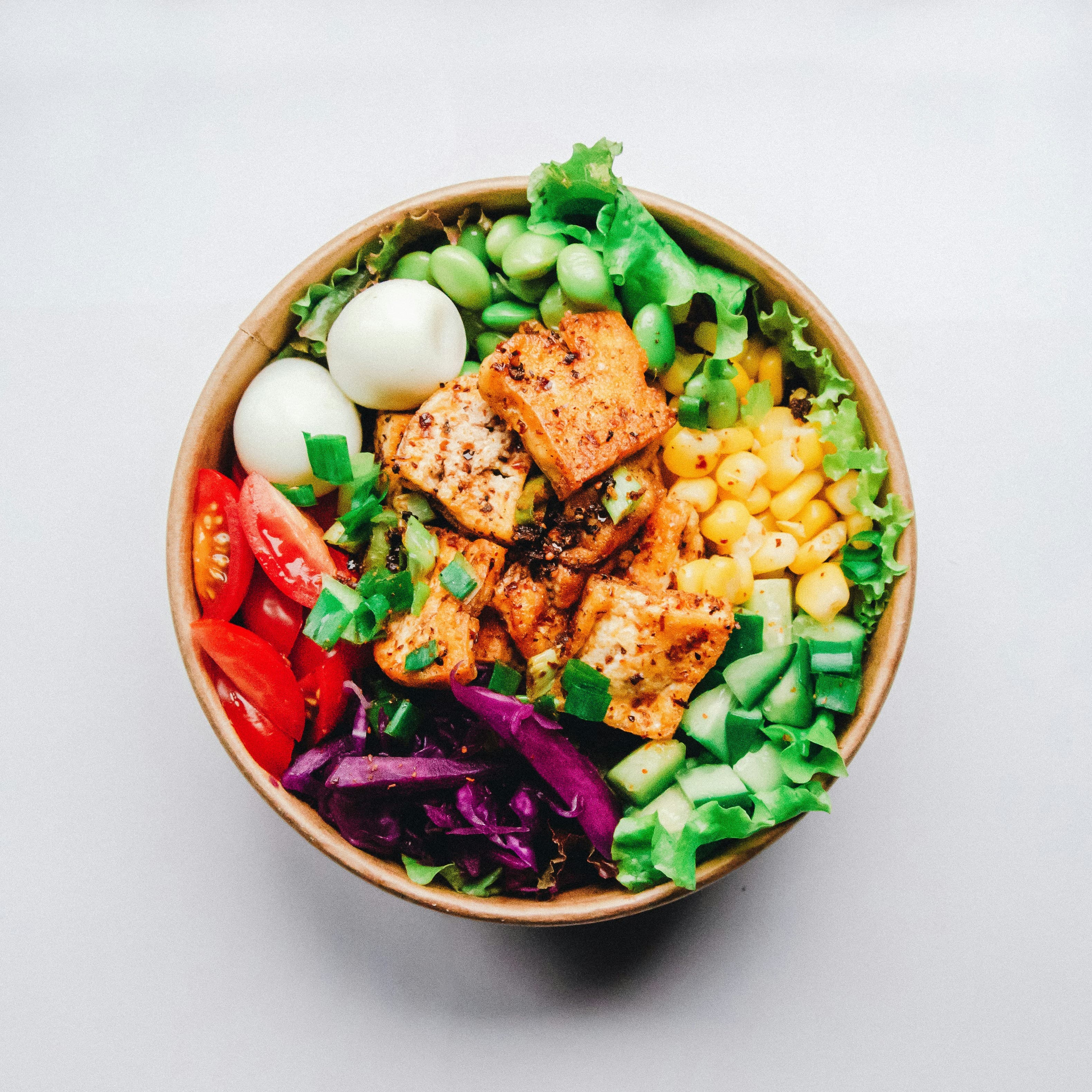
A food diary, even a simple one, captures whether you are actually eating enough. Logging meals retroactively often reveals surprising gaps, meals skipped, portions smaller than assumed. Writing it down in the moment or right after eating improves accuracy.
Symptom logging rounds out the picture. Recording energy levels, mood, dizziness, nausea, or any other physical sensations alongside what you ate and when gives your care team a rich dataset to work from. It transforms vague complaints into concrete information.
That is exactly what the PeptPro app was built for. You can log your meals, track weight over time with visual charts, record symptoms and side effects with timestamps, and see patterns emerge across weeks and months. Instead of walking into a doctors appointment trying to remember what you ate three weeks ago, you open the app and everything is there. Start tracking your symptoms and meals here.
Using a symptom tracker alongside a food diary helps identify which meals sit well and which ones trigger nausea or discomfort. Over time you build a personal map of what works for your body on GLP-1 therapy, which foods support energy, and which ones you need to approach differently.
The meal scanner built into PeptPro makes logging faster. Point your phone at a plate and the app gives you approximate macronutrients and calories, which removes the friction of manual entry when your appetite is already low and your energy is limited.