PeptProblog
HomeTreatmentHow to UseSide EffectsNutrition
Download App
PeptPro
blog

Evidence-based content to support those who take their peptide protocol seriously.

Navigation

  • Home
  • Categories

Categories

  • Treatment
  • How to Use
  • Side Effects
  • Nutrition
  • Exercise & Body
  • Health
  • Mental Health

App PeptPro

Track your peptide protocol right from your phone.

Download on theApp Store
GET IT ONGoogle Play
© 2026 PeptPro. All rights reserved.
PrivacyTerms of Use
  1. Home
  2. ›Blog
  3. ›Nutrition
  4. ›Hydration and Peptide Treatment: What You Need to Know
Nutrition

Hydration and Peptide Treatment: What You Need to Know

Jul 14, 2026·4 min read·0 views·Equipe Editorial PeptPro
Hydration and Peptide Treatment: What You Need to Know

Discover how proper hydration affects peptide and GLP-1 treatment results, from absorption to side effect management.

Most people starting a peptide or GLP-1 protocol focus on dose, timing, and expected results. Very few stop to think about something that seems too basic to matter: the water you drink. Hydration is not a detail. For anyone tracking their treatment data, it is a variable that shows up in the graphs and explains part of the variation that seemed random before.

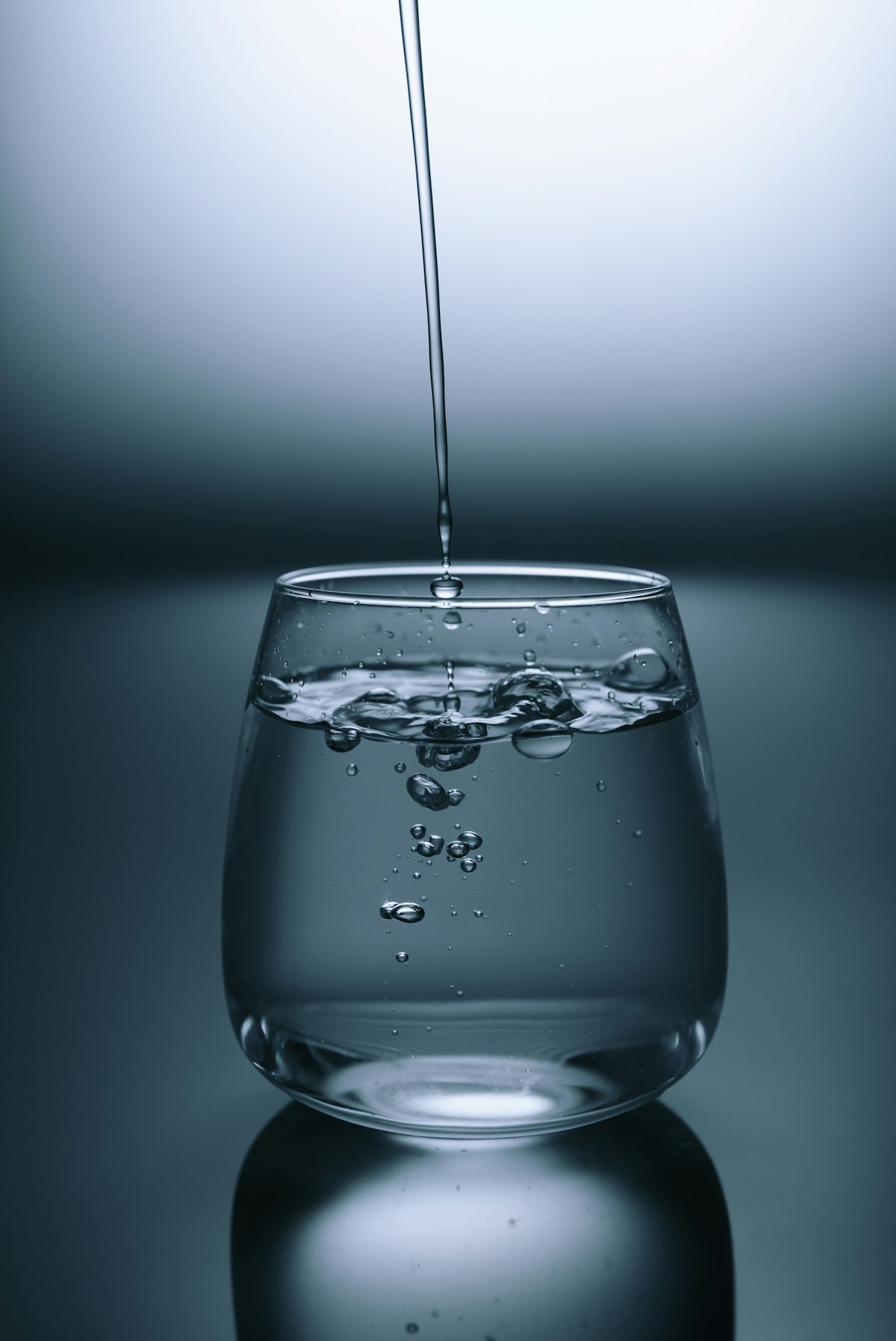
Your body relies on water to process and distribute compounds efficiently. During peptide and GLP-1 treatment, adequate hydration supports absorption and helps maintain more stable medication levels throughout the body. When you inject a peptide or GLP-1 and then drink little liquid over the following hours, the distribution of the compound through your system runs at reduced speed.
Signs You May Be Dehydrated

Frequent headaches, dry mouth, dark urine, and fatigue are the most common signs. Dizziness when standing up and muscle cramps also signal that your body needs more fluid. Many people mistake these symptoms for a side effect of the treatment itself and do not realize the cause is something straightforward.

In PeptPro, you log daily symptoms with intensity and time of day. If the same signs appear repeatedly on days with low water intake, the pattern becomes clear without needing to guess.

Scan your meal and log calories, protein and macros in seconds.

Track it in the app

How Much to Drink During Treatment

Most people need at least 2 to 2.5 liters of water daily, but peptide users may need more. Activity level, climate, and body weight all influence the ideal amount. Someone doing high-intensity training can lose more than a liter of water through sweat in a single session.

A practical reference: drink a full glass of water with every dose you take. If you inject twice daily, that alone builds a habit that covers at least half a liter. The rest comes through meals and regular intervals throughout the day.

Available now for free

Meal Scanner

Scan any meal with your camera to automatically log calories, protein, and macros. AI recognition — no manual entry. Point, scan, move on.

Download on theApp Store
GET IT ONGoogle Play

Related Articles

Download on theApp Store
GET IT ONGoogle Play

The Connection Between Hydration, Weight, and Swelling

Fluid retention can be mistaken for weight gain. When you weigh yourself every morning and see the number go up two days in a row, it is easy to assume the treatment stopped working. In reality, it may simply be mild dehydration. Enough water helps the body flush sodium and reduces the feeling of bloating.

Regular monitoring with PeptPro lets you tell the difference between retention and actual mass change. You look at your weight history next to your water log and the pattern becomes obvious. There is no need to guess.

How Dehydration Affects Medication Absorption

When the body is dehydrated, blood circulation slows down and medication takes longer to reach target tissues. This can alter the expected effect of the peptide or GLP-1. Instead of feeling the effect at the usual time, you may notice a delayed or weaker response.

For those tracking medication levels in PeptPro, this shows up as a different curve from the usual one. If you know you drank very little water that day, the interpretation changes immediately.

Practical Tips for Staying Hydrated

Drinking a glass of water with every dose is a simple habit that makes a difference. Setting a phone reminder to drink water every two hours also helps. Using a marked water bottle makes it easy to see how far you are from your daily goal.

Supplementing with electrolytes on heavy training days is another effective strategy. Sweat carries sodium and potassium, and replacing those minerals helps hydration work properly, not just in volume but in function.

Scan your meal and log calories, protein and macros in seconds.

Track it in the app

How PeptPro Supports Tracking

PeptPro lets you log daily water intake and review the history next to your dose records. The medication level feature shows where your treatment currently stands, making it easier to tell whether effects are tracking as expected.

You see everything in one place: dose, hydration, and progress, without shuffling through notes or spreadsheets. For anyone who meets with their doctor regularly, having this data organized changes the conversation.

When to Talk to a Medical Professional

If excessive thirst persists even when you are drinking plenty of water, or if swelling does not improve with better hydration, it is worth checking in with the healthcare provider who prescribed your treatment. Persistent dehydration can signal something beyond low fluid intake.

Keeping your water log in PeptPro helps that conversation because you arrive with concrete numbers, not just a vague impression.

Hydration does not make a treatment work on its own, but it determines the conditions under which your body processes the medication. Drinking enough water is one of the simplest things you can do to give the treatment a fair chance to deliver what it promises. Download the app here.

Hydration and treatment

References

  • Collins & Costello — GLP-1 Receptor Agonists, StatPearls/NCBI
  • OMS — Obesity and overweight, fact sheet

Disclaimer: This content is informational only and does not replace professional medical advice. Always consult your doctor before starting, changing or stopping any treatment.

0 visualizações
Share

In this article

Ver todos
Dieta Com Peptídeos: Como Alimentação Potencializa Ou Compromete Resultados
Nutrition

Dieta Com Peptídeos: Como Alimentação Potencializa Ou Compromete Resultados

Entenda como sua alimentação pode amplificar ou limitar os efeitos dos peptídeos. Guia prático sobre nutrientes, timing e hábitos que fazem diferença real.

Sep 28, 2026 · 6 min read
Natural GLP-1 Support: What the Research Actually Shows About Food Compounds and Bioactive Substances
Nutrition

Natural GLP-1 Support: What the Research Actually Shows About Food Compounds and Bioactive Substances

Explore what science tells us about foods and compounds that may naturally support GLP-1 production, from polyphenols to fiber sources.

Sep 24, 2026 · 7 min read
How Diet Can Amplify or Undermine Your Peptide Protocol: What the Evidence Actually Shows About Nutrient-Peptide Interactions
Nutrition

How Diet Can Amplify or Undermine Your Peptide Protocol: What the Evidence Actually Shows About Nutrient-Peptide Interactions

The same peptide compound can produce noticeably different results in two different people. Often, the difference is not the peptide itself. It is what is on their plate. Here is what the evidence shows about diet and peptide therapy outcomes.

Sep 21, 2026 · 9 min read