PeptProblog
HomeTreatmentHow to UseSide EffectsNutrition
Download App
PeptPro
blog

Evidence-based content to support those who take their peptide protocol seriously.

Navigation

  • Home
  • Categories

Categories

  • Treatment
  • How to Use
  • Side Effects
  • Nutrition
  • Exercise & Body
  • Health
  • Mental Health

App PeptPro

Track your peptide protocol right from your phone.

Download on theApp Store
GET IT ONGoogle Play
© 2026 PeptPro. All rights reserved.
PrivacyTerms of Use
  1. Home
  2. ›Blog
  3. ›Nutrition
  4. ›GLP-1 Natural: Comparing the Substances That Can Activate This Receptor — What the Data Actually Shows
Nutrition

GLP-1 Natural: Comparing the Substances That Can Activate This Receptor — What the Data Actually Shows

Sep 4, 2026·9 min read·3 views·Equipe Editorial PeptPro
GLP-1 Natural: Comparing the Substances That Can Activate This Receptor — What the Data Actually Shows

Wondering which natural compounds might stimulate GLP-1? We break down what human research actually shows about berberine, bitter compounds, curcumin, and dietary approaches.

What Makes GLP-1 Receptor Activation Worth Comparing

The GLP-1 receptor plays a key role in glucose metabolism by triggering insulin release after meals and slowing gastric emptying. This receptor has become a major target for type 2 diabetes and weight management drugs, but researchers have also spent considerable effort studying how natural substances might influence the same pathway. Understanding whether food compounds or supplements can meaningfully activate GLP-1 matters because it separates hype from what actual human data supports.

Natural stimulation of GLP-1 differs from pharmaceutical approaches in important ways. Drugs like semaglutide deliver fixed receptor activation, while natural substances typically produce smaller, more variable effects that depend heavily on individual metabolism and baseline conditions. This distinction shapes what people can realistically expect when exploring non-prescription options. The challenge lies in evaluating the magnitude of effect, not just whether a substance "stimulates" something, because small percentage increases rarely translate into the clinical outcomes that medications deliver.

The Natural Candidates With Human Trial Data
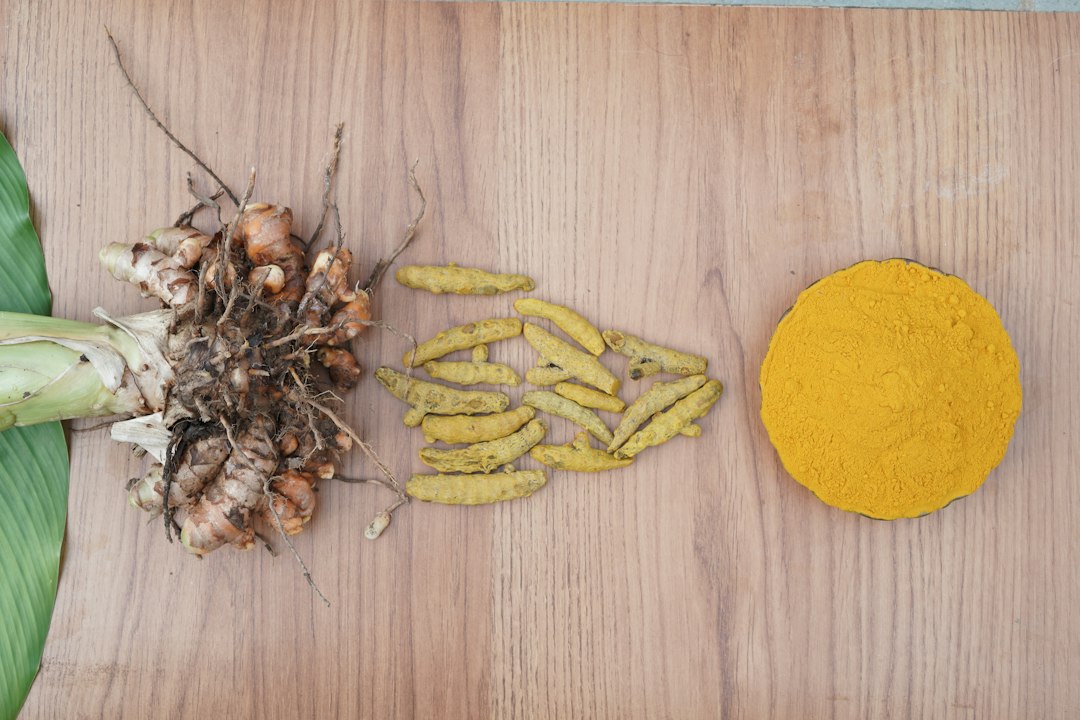
Turmeric root, slices, and powder on wood

Several plant compounds and dietary patterns have been studied for their potential to influence GLP-1 secretion or sensitivity. The evidence varies considerably in quality and directness.

Berberine is probably the most researched natural compound in this space. It appears to work through multiple pathways, including activation of AMPK (an enzyme involved in cellular energy regulation) and modulation of the gut microbiome. A study from 2012 compared berberine to metformin in patients with type 2 diabetes and found similar improvements in blood glucose markers. Researchers have observed that berberine may increase GLP-1 levels in some studies, though the exact mechanism remains an active research question. Doses studied in clinical trials have typically ranged from 500 to 1500 mg per day, divided across doses.

Bitter compounds present an interesting mechanistic hypothesis. The tongue's bitter taste receptors (Tas2R) also exist in gut cells, including L-cells that produce GLP-1. Animal research has shown that bitter substances like denatonium and humulone (a compound from hops) can stimulate GLP-1 release through this pathway. However, translating these findings to humans involves significant uncertainty, since bitter receptor density and function vary considerably between species. Human data directly measuring GLP-1 response to bitter compounds remains limited.

Curcumin, the active compound in turmeric, has been studied for metabolic effects. A 2020 meta-analysis examined curcumin's impact on HbA1c (a marker of long-term blood sugar control) and found statistically significant reductions. Researchers have proposed that curcumin may work partly through GLP-1 related mechanisms, but this connection remains largely theoretical. A major hurdle is curcumin's notoriously poor bioavailability, meaning the amount that reaches circulation after oral intake is quite small unless formulated with absorption-enhancing compounds.

Green tea catechins, particularly EGCG, have shown some promise for post-meal GLP-1 responses in human studies. The mechanism appears to involve polyphenol interactions with gut cells, though the effect size tends to be modest. Some studies have measured small increases in GLP-1 after green tea consumption, particularly when consumed with meals.

Berberine's relationship with the gut microbiome deserves special mention. Some researchers propose that berberine's metabolic benefits may work partly by altering gut bacteria in ways that increase GLP-1 production. Specific bacterial species have been implicated in animal studies, though human data remains exploratory.

Available now for free

Meal Scanner

Scan any meal with your camera to automatically log calories, protein, and macros. AI recognition — no manual entry. Point, scan, move on.

Download on theApp Store
GET IT ONGoogle Play

Related Articles

Download on theApp Store
GET IT ONGoogle Play

Scan your meal and log calories, protein and macros in seconds.

Track it in the app

Fiber, Protein, and Dietary Patterns as GLP-1 Triggers

Dietary approaches offer some of the most consistent human data for GLP-1 effects, even if the mechanism is more indirect than pharmaceutical receptor activation.

Soluble fiber sources including beta-glucan (found in oats and barley), inulin (from chicory root), and psyllium have demonstrated GLP-1 stimulating effects in human feeding studies. The pathway involves bacterial fermentation in the colon, which produces short-chain fatty acids that interact with L-cells in the gut lining. These studies typically show measurable GLP-1 increases after meals containing adequate soluble fiber, though the magnitude depends heavily on the type and amount of fiber consumed.

Protein intake influences GLP-1 through several amino acids. Leucine, glutamine, and branched-chain amino acids appear particularly relevant for L-cell stimulation. Human studies have shown that higher protein meals produce greater GLP-1 responses compared to lower protein alternatives, with the effect varying based on the specific amino acid composition. Protein timing also matters, with some evidence suggesting that consuming protein early in a meal enhances the GLP-1 response more than spreading protein throughout the day.

Fermented foods and specific probiotic strains have been studied for GLP-1 effects. Lactobacillus and Bifidobacterium species have shown some promise in randomized trials for influencing gut hormone levels, though results vary considerably by strain and study population.

Meal structure affects GLP-1 curves in ways that go beyond single nutrient effects. Studies examining meal frequency and protein-first eating patterns (consuming protein before carbohydrates) have found meaningful differences in GLP-1 responses throughout the day. These patterns may offer practical strategies for optimizing the body's own GLP-1 production without any supplement.

Natural vs Pharmaceutical: Understanding the Magnitude Gap

When comparing natural substances to pharmaceutical GLP-1 agonists, the difference in effect magnitude becomes unavoidable. Medications like semaglutide activate the GLP-1 receptor with potency and consistency that natural compounds simply cannot match. A substance that produces a 15-30% increase in GLP-1 levels under ideal conditions operates in a completely different category from a drug that delivers pharmacological receptor activation.

This matters because clinical outcomes depend on effect size. The percentage increase in GLP-1 matters more than whether a compound "stimulates" the receptor at all. Natural alternatives consistently underperform semaglutide and tirzepatide in head-to-head comparisons for weight loss and glycemic outcomes. This is not a criticism of natural approaches so much as a recognition that comparing them requires honesty about the scale of difference involved.

Presenting this gap serves informational purposes rather than promotional ones. People exploring natural options deserve accurate expectations about what they can realistically achieve, particularly if they are considering these approaches as alternatives to prescribed medications.

Safety and Risk Profile: Where Natural Does Have an Edge

Safety profiles represent one area where natural substances sometimes offer advantages, though the "natural equals safe" assumption requires scrutiny.

Berberine interacts with liver enzymes (CYP450 system) involved in metabolizing many medications. This creates potential interactions with drugs including certain statins, blood pressure medications, and others. Published data documents statin interactions specifically, warranting medical guidance before combining berberine with prescription medications.

Curcumin at high doses has been associated with liver enzyme elevations in some case reports, particularly when consumed in combination with other compounds. The absorption problem that limits curcumin's bioavailability also complicates safety assessment, since poorly absorbed compounds may affect the gut lining without systemic consequences.

Bitter compounds generally show reasonable tolerability, though gastrointestinal side effects occur in some users, particularly at higher doses. The bitter taste itself limits acceptability for many people.

It bears emphasis that natural does not automatically mean safe at high doses or in combination use. Each compound carries its own risk profile that deserves individual assessment. Comparing these risks to semaglutide's documented side effects (including nausea, gastrointestinal issues, and rare reports of pancreatitis) provides useful context, though both categories of intervention involve trade-offs that individuals should evaluate with healthcare providers.

What the Data Actually Supports: Honest Limitations

Transparency about research limitations helps prevent overinterpretation of preliminary findings.

Most natural GLP-1 data relies on secondary outcomes. Studies frequently measure improvements in blood sugar markers or weight loss and infer GLP-1 involvement, rather than measuring GLP-1 directly. Direct measurement studies in humans remain limited for most compounds.

Animal-to-human translation presents particular challenges for bitter receptor research. The density and function of these receptors varies significantly between species, making animal findings less directly applicable to human physiology.

Publication bias affects supplement research systematically. Studies with positive findings appear more likely to reach publication, meaning the available literature may overstate effects compared to what a complete accounting of all research would show.

Dose translation issues also arise frequently. Effective doses in mouse studies often translate to impractical or even unsafe human doses when scaled up, a fundamental challenge in nutrition research that compounds make worse when bioavailability problems exist.

Scan your meal and log calories, protein and macros in seconds.

Track it in the app

Practical Evaluation Framework for Natural GLP-1 Stimulators

When evaluating natural GLP-1 stimulators, three criteria deserve attention: effect magnitude in human studies, safety profile including drug interactions, and mechanistic plausibility. Applying these criteria helps distinguish compounds with meaningful evidence from those with merely theoretical potential.

Berberine scores relatively well on evidence magnitude with human trials supporting metabolic benefits, though drug interaction concerns warrant caution. Fiber and protein approaches offer the most consistent human data for GLP-1 effects, with excellent safety profiles and well-understood mechanisms. Bitter compounds have interesting mechanistic support but limited human translation data. Curcumin faces a significant bioavailability problem that limits practical usefulness despite theoretical promise.

Tracking emerging evidence on these compounds requires reliable sources. PeptPro provides ongoing analysis of peptide and metabolic research that can help readers stay current as the field develops. For those interested in monitoring what human studies actually show about natural GLP-1 stimulation, following research updates at https://peptpro.app offers a practical way to follow the science as it evolves.

Future studies worth watching will include direct GLP-1 measurement rather than proxy outcomes, longer duration trials examining sustained effects, and investigation of combination approaches that might enhance natural stimulation pathways.

FAQ

Can natural substances replace GLP-1 medications like semaglutide?

Based on available research, no natural compound approaches the effect magnitude of pharmaceutical GLP-1 agonists. Natural alternatives may offer supportive benefits for metabolic health but should not be viewed as equivalents to prescribed medications for conditions requiring pharmacological intervention.

Is berberine safe to take with diabetes medications?

Berberine affects liver enzymes involved in drug metabolism and has documented interactions with certain medications including some statins. Anyone taking prescription medications should consult a healthcare provider before starting berberine or any supplement.

How much fiber do I need to affect GLP-1 levels?

Human feeding studies showing GLP-1 effects typically use several grams of soluble fiber in controlled meal settings. Regular dietary fiber intake from whole foods like oats, legumes, and vegetables contributes to the effect, though specific thresholds vary by individual and fiber type.

Does turmeric or curcumin actually increase GLP-1?

Curcumin has shown metabolic benefits in studies and researchers have proposed GLP-1 involvement in its mechanism. However, direct evidence for curcumin-induced GLP-1 increase in humans remains limited, and curcumin's poor bioavailability complicates interpretation of existing studies.

Sources

  • Berberine vs metformin for type 2 diabetes
  • Curcumin and diabetes: A systematic review
  • Fiber and short-chain fatty acids in GLP-1 secretion
  • Bitter taste receptors in the gut
  • Protein effects on GLP-1 and appetite

Disclaimer: This content is informational only and does not replace professional medical advice. Always consult your doctor before starting, changing or stopping any treatment.

3 visualizações
Share
Ver todos
Dieta Com Peptídeos: Como Alimentação Potencializa Ou Compromete Resultados
Nutrition

Dieta Com Peptídeos: Como Alimentação Potencializa Ou Compromete Resultados

Entenda como sua alimentação pode amplificar ou limitar os efeitos dos peptídeos. Guia prático sobre nutrientes, timing e hábitos que fazem diferença real.

Sep 28, 2026 · 6 min read
Natural GLP-1 Support: What the Research Actually Shows About Food Compounds and Bioactive Substances
Nutrition

Natural GLP-1 Support: What the Research Actually Shows About Food Compounds and Bioactive Substances

Explore what science tells us about foods and compounds that may naturally support GLP-1 production, from polyphenols to fiber sources.

Sep 24, 2026 · 7 min read
How Diet Can Amplify or Undermine Your Peptide Protocol: What the Evidence Actually Shows About Nutrient-Peptide Interactions
Nutrition

How Diet Can Amplify or Undermine Your Peptide Protocol: What the Evidence Actually Shows About Nutrient-Peptide Interactions

The same peptide compound can produce noticeably different results in two different people. Often, the difference is not the peptide itself. It is what is on their plate. Here is what the evidence shows about diet and peptide therapy outcomes.

Sep 21, 2026 · 9 min read