PeptProblog
HomeHealthSide EffectsNutritionExercise & Body
Download App
PeptPro
blog

Evidence-based content to support those who take their peptide protocol seriously.

Navigation

  • Home
  • Categories

Categories

  • Health
  • Side Effects
  • Nutrition
  • Exercise & Body
  • Mental Health
  • How to Use
  • Treatment

App PeptPro

Track your peptide protocol right from your phone.

Download on theApp Store
GET IT ONGoogle Play
© 2026 PeptPro. All rights reserved.
PrivacyTerms of Use
  1. Home
  2. ›Blog
  3. ›Side Effects
  4. ›Acid Reflux and GLP-1 Medications: What You Need to Know
Side Effects

Acid Reflux and GLP-1 Medications: What You Need to Know

Jun 19, 2026·4 min read·33 views·Equipe Editorial PeptPro
Acid Reflux and GLP-1 Medications: What You Need to Know

Acid reflux is a common GLP-1 side effect. Learn why it happens, which symptoms matter, and how to track everything in PeptPro before your next appointment.

If you have been on a GLP-1 medication like semaglutide and started noticing more heartburn, you are not imagining things. Acid reflux is one of the most commonly reported gastrointestinal side effects of these drugs.

Understanding why it happens and knowing how to manage it puts you back in control. This article covers the mechanisms behind GLP-1 related reflux, the symptoms that deserve attention, and the practical steps you can take right now to feel better.

If you want a reliable way to log every symptom, dose, and meal so nothing gets lost before your next appointment, PeptPro is built exactly for that. You can track everything in one place. Download PeptPro here.
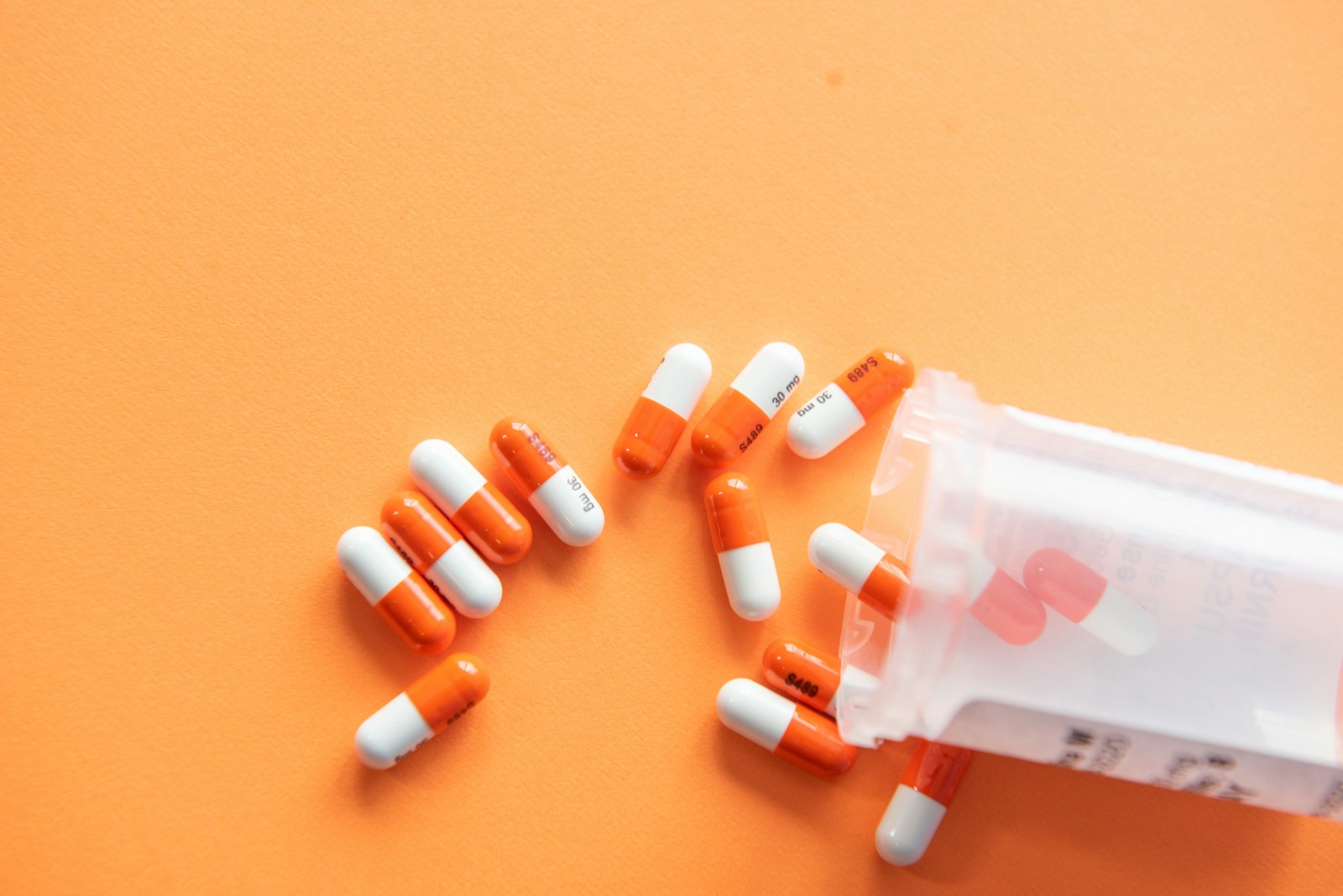

Why Acid Reflux Gets Worse With GLP-1 Medications

GLP-1 receptor agonists slow down the rate at which your stomach empties its contents into the small intestine. This delayed gastric emptying is a direct effect of the drug mechanism and is precisely what makes these medications effective for blood sugar control and appetite reduction. The trade-off is that food sits in your stomach longer, increasing intra-abdominal pressure and the likelihood that stomach acid backs up into the esophagus.

When GLP-1 receptors in the stomach lining are activated, they reduce the frequency and strength of antral contractions, the rhythmic movements that push chyme toward the pylorus. The result is a functional slowdown that can last for hours after a meal.

Several clinical trials have documented this effect. A study published in Diabetes Care in 2021 measured gastric emptying rates in participants using semaglutide and found a significant delay compared to placebo.


Log symptoms with intensity and tie them to each dose to spot patterns.

Available now for free

Side Effects Tracking

Log symptoms with severity ratings, link them to specific doses, and spot patterns over time across your full protocol.

Download on theApp Store
GET IT ONGoogle Play

Related Articles

Download on theApp Store
GET IT ONGoogle Play
Track it in the app

Symptoms You Should Not Ignore

Most people experience the classic burning sensation behind the breastbone, sour or bitter taste in the mouth, and occasional regurgitation of food or liquid. These are uncomfortable but generally manageable with lifestyle adjustments.

Certain symptoms warrant closer attention. Difficulty swallowing suggests that the esophageal lining may be inflamed or narrowed. Unexplained weight loss, persistent vomiting, or pain that radiates to the jaw, arm, or back should always be evaluated promptly because they can mimic or indicate cardiac conditions.

Early satiety, the sensation of being full after only a few bites, is another frequent complaint among GLP-1 users related to the same delayed emptying mechanism.


The Role of Gastric Emptying in GLP-1 Related Discomfort

The lower esophageal sphincter is a ring of muscle that acts as a one-way valve between the esophagus and stomach. When stomach pressure rises due to delayed emptying, the sphincter may not hold completely, allowing acid to escape upward.

Research published in Neurogastroenterology and Motility in 2022 used scintigraphy to directly measure gastric emptying in patients on GLP-1 therapy and confirmed measurable delays even at lower doses. The authors emphasized that this effect is dose-dependent.

This does not mean you should stop your medication on your own. The solution often involves pairing the drug with dietary and behavioral strategies.


Food Adjustments That Actually Help

The timing of your meals is one of the simplest levers to pull. Avoid eating within three to four hours of lying down or going to bed.

Portion size matters as much as timing. Smaller, more frequent meals reduce the volume of food pressing against the lower esophageal sphincter at any given time.

High-fat foods are among the most common triggers because fat slows gastric emptying further and relaxes the sphincter. Keeping a food and symptom journal helps you identify your personal triggers.

Practical habits also help. Elevating the head of your bed by six to eight inches uses gravity to keep acid in the stomach overnight.


Log symptoms with intensity and tie them to each dose to spot patterns.

Track it in the app

When to See Your Doctor

Signs that warrant a call to your prescriber include heartburn that persists more than twice a week despite over-the-counter treatment, difficulty or pain with swallowing, unexplained weight loss, or vomiting that is recurrent or contains blood.

Do not be embarrassed about these symptoms. Reflux and other gastrointestinal effects are among the most frequently discussed topics in GLP-1 clinical follow-up.


How to Track Everything in PeptPro Before Your Appointment

The most useful thing you can bring to a medical appointment is not a perfect memory. It is a record. In PeptPro, you can log each dose with the exact date and time, record symptoms alongside them, and note what you ate and when.

When you sit down with your doctor, you can show them a timeline rather than saying something vague like I think it gets worse after dinner.

PeptPro makes it straightforward to keep every detail organized, so your next appointment is productive and your progress is measurable.

Get started with PeptPro today.


Sources: Lean MEJ et al., Diabetes Care 2021; 44(8):e139-e141. Halawi H et al., Neurogastroenterology and Motility 2022; 34(5):e14283.

Person with stomach discomfort

Disclaimer: This content is informational only and does not replace professional medical advice. Always consult your doctor before starting, changing or stopping any treatment.

33 visualizações
Share

In this article

Ver todos
Constipation with GLP-1 Medications: Why It Happens and How to Relieve It
Side Effects

Constipation with GLP-1 Medications: Why It Happens and How to Relieve It

Learn why GLP-1 medications cause constipation and discover practical strategies to relieve it, from diet to hydration and exercise.

Jul 24, 2026 · 7 min read
Side Effects

Constipation and GLP-1: What Actually Works

Constipation is one of the most common side effects of GLP-1 agonists. Here is why it happens, what actually helps, and the mistakes that make it worse.

Jul 23, 2026 · 4 min read
Hair Loss on Peptide and GLP-1 Treatment: A Guide
Side Effects

Hair Loss on Peptide and GLP-1 Treatment: A Guide

Hair shedding during peptide therapy is common and usually temporary. Here's why it happens, when to be concerned, and how to track your symptoms effectively.

Jul 23, 2026 · 8 min read